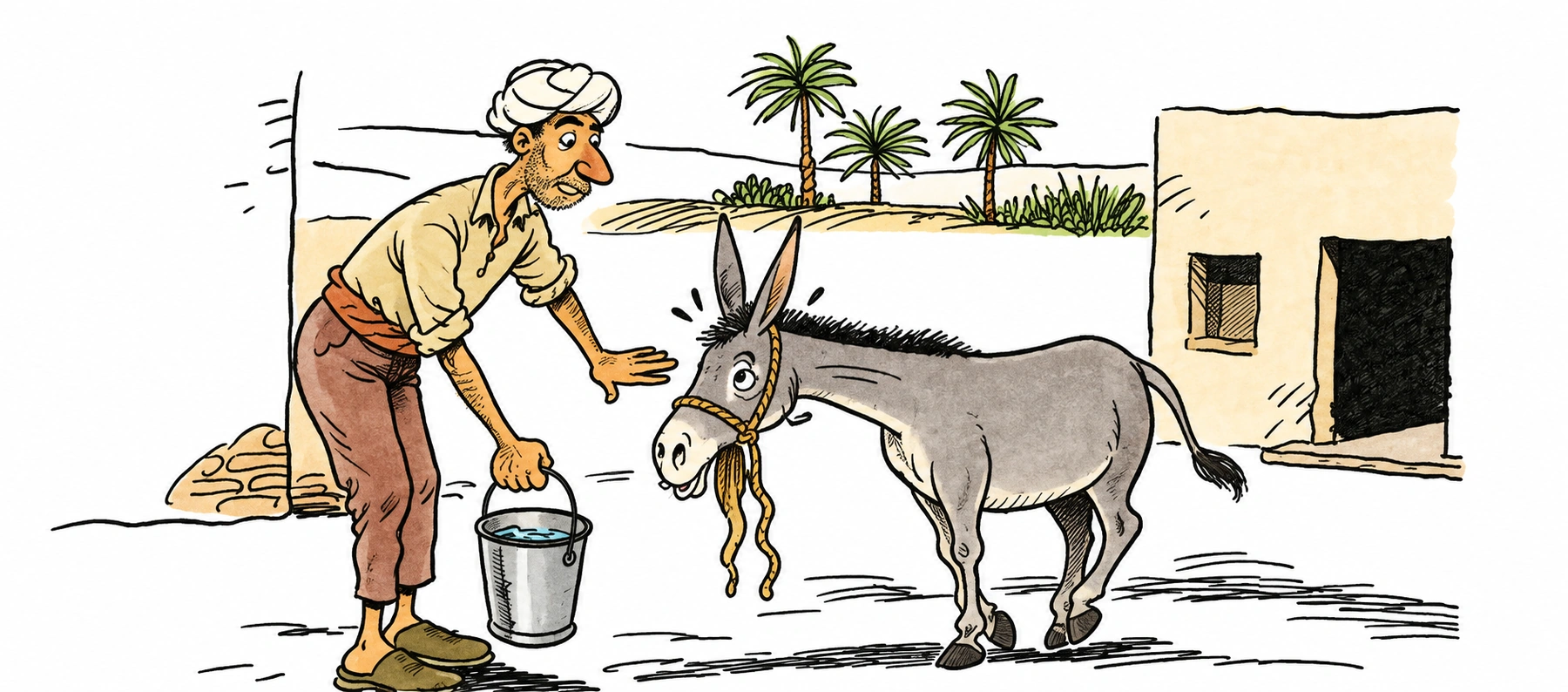
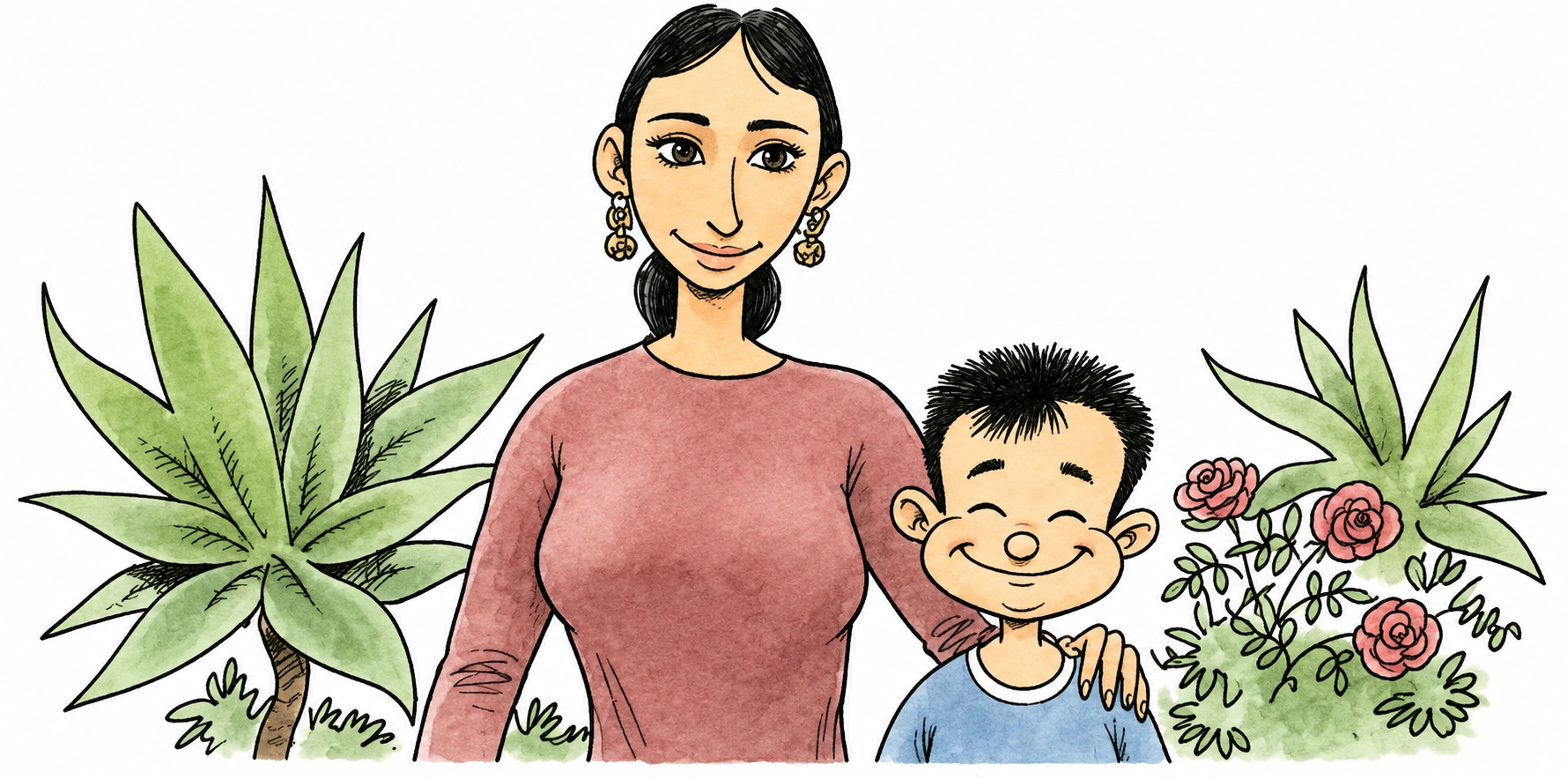
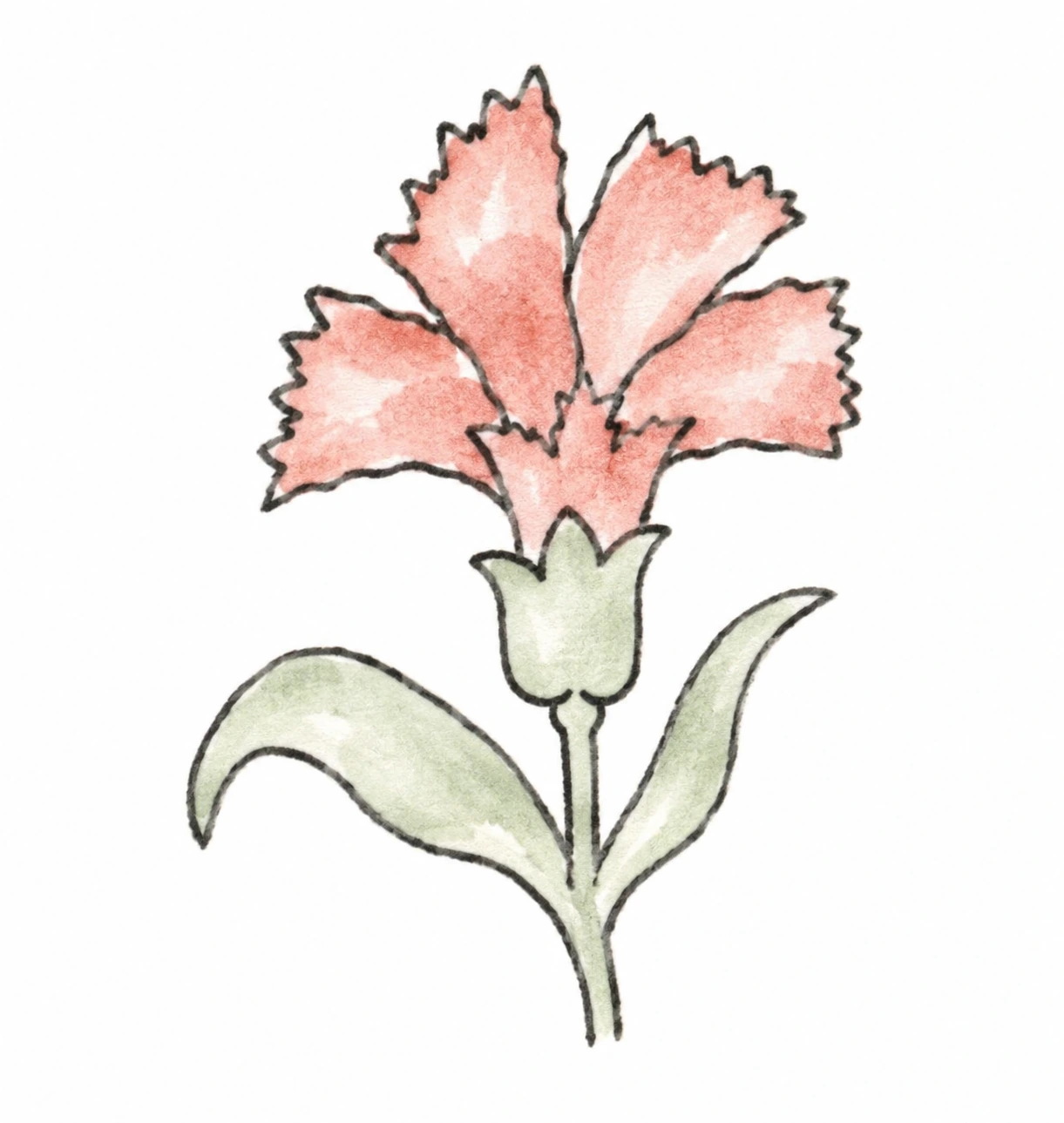
Tetos Narges nuostabaAunt Narges’s surpriseL’étonnement de Tante Narcisse
415
59
گفت و گوی امیر و پرویز
Amyro ir Parvizo pokalbisA conversation between Amir and ParvizConversation d’Amir et de Parviz
421
60
شیراز شهر شعر و گل و بلبل
Širazas, poezijos, rožių ir lakštingalų miestasShiraz, city of poetry, roses and nightingalesChiraz, la ville de la poésie, des roses et des rossignols
429
61
خواستگاری
PiršlybosThe marriage proposalLa demande en mariage
437
62
در هواپیما
LėktuveOn the planeDans l’avion
445
63
KartojimasReviewRévision
453
64
حسن آقای حواس پرت
Išsiblaškęs ponas HasanasAbsent-minded Mr HassanMonsieur Hasan le distrait
465
65
در اتوبوس
AutobuseOn the busDans l’autobus
473
66
چانه زدن در فرش فروشی
Derybos pas kilimų pardavėjąBargaining at the carpet shopMarchandage chez le marchand de tapis
479
67
آپارتمان جدید زهره
Naujasis Zohrės butasZohreh’s new apartmentLe nouvel appartement de Zohré
487
68
بانک ملی
Nacionalinis bankasThe National BankLa Banque Nationale
497
69
کارمند نمونه
Pavyzdinis darbuotojasThe model employeeL’employé modèle
507
70
KartojimasReviewRévision
515
71
سفر پر حادثه!
Kupina nuotykių kelionėAn eventful tripUn voyage plein de péripéties
Kultūros programaCultural programmeProgramme culturel
545
74
برنامهٔ فرهنگی (ادامه)
Kultūros programa (tęsinys)Cultural programme (continued)Programme culturel (suite)
553
75
اخبار رادیویی
Radijo žiniosRadio newsLes informations à la radio
561
76
اخبار رادیویی (ادامه)
Radijo žinios (tęsinys)Radio news (continued)Les informations à la radio (suite)
573
77
KartojimasReviewRévision
581
78
سود و زیان سخن و زبان
Kalbos ir žodžio nauda bei žalaThe benefits and harms of speech and languageBienfait et nocivité de la parole et de la langue
595
79
سود و زیان سخن و زبان (ادامه)
Kalbos ir žodžio nauda bei žala (tęsinys)The benefits and harms of speech and language (continued)Bienfait et nocivité de la parole et de la langue (suite)
603
Turinys (80–86 pamokos)Contents (Lessons 80–86)Sommaire (Leçons 80 à 86)
VIII
Nr.No.Nº
PersiškaiPersianPersan
PavadinimasTitleTitre
Psl.PagePage
80
نظری (نگاهی) به اصفهان، عروس شهرهای ایران
Žvilgsnis į Isfahaną, gražiausią Irano miestąA glimpse of Isfahan, Iran’s most beautiful cityUn aperçu de la plus belle ville d’Iran, Ispahan
Naujųjų metų dovanaA New Year’s giftCadeau de Nouvel An
657
86
یک غزل از حافظ
Hafezo gazelėA ghazal by HafezUn ghazal de Hâféz
665
موسم گل
Rožių metasThe season of rosesLa saison des roses
667
DedikacijaDedicationDédicace
Autoriai knygą skiria melsviems aukštikalnių horizontams, grakščių tuopų eilėms, gyvo vandens kanalams, iraniečių gyvenimo menui ir jų meilei sodams bei poezijai.The authors dedicate the book to the blue horizons of the high plateaus, the graceful lines of poplars, the channels of flowing water, and the Iranian art of living with its love of gardens and poetry.Les auteurs dédient le livre aux horizons bleus des plateaux, aux alignements de peupliers, aux canaux d’eau vive et à l’art de vivre iranien, où les jardins et la poésie tiennent une place chère.
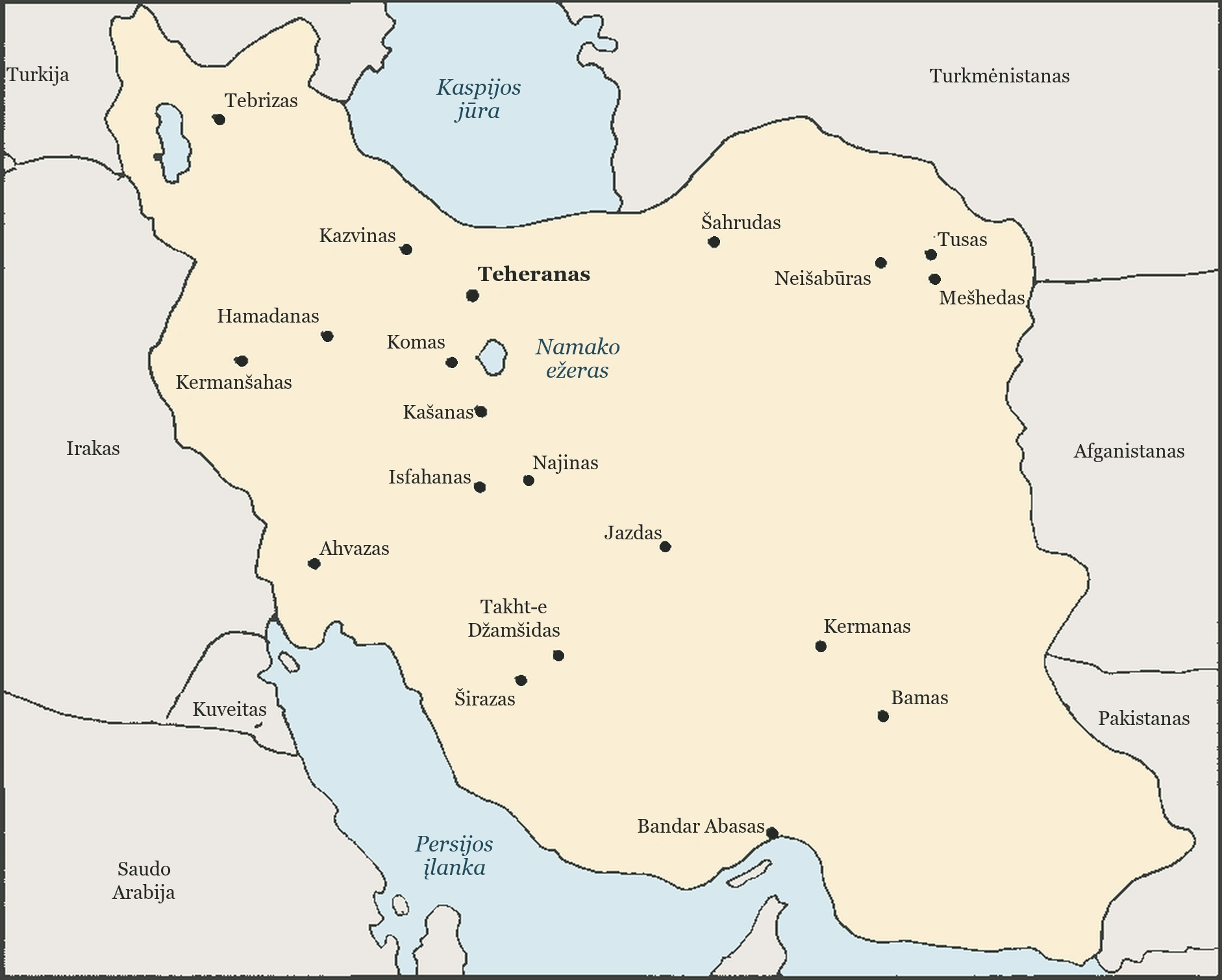
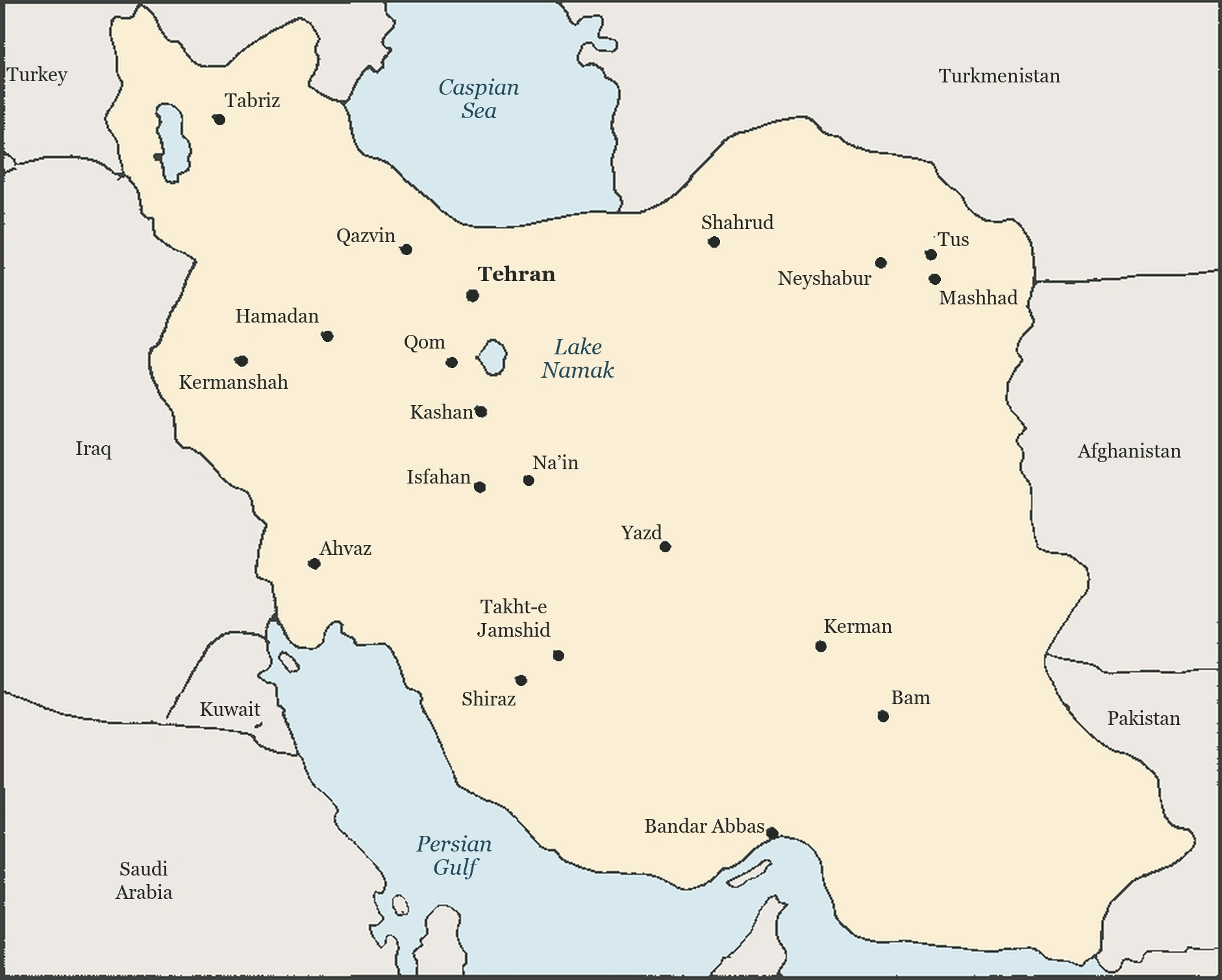
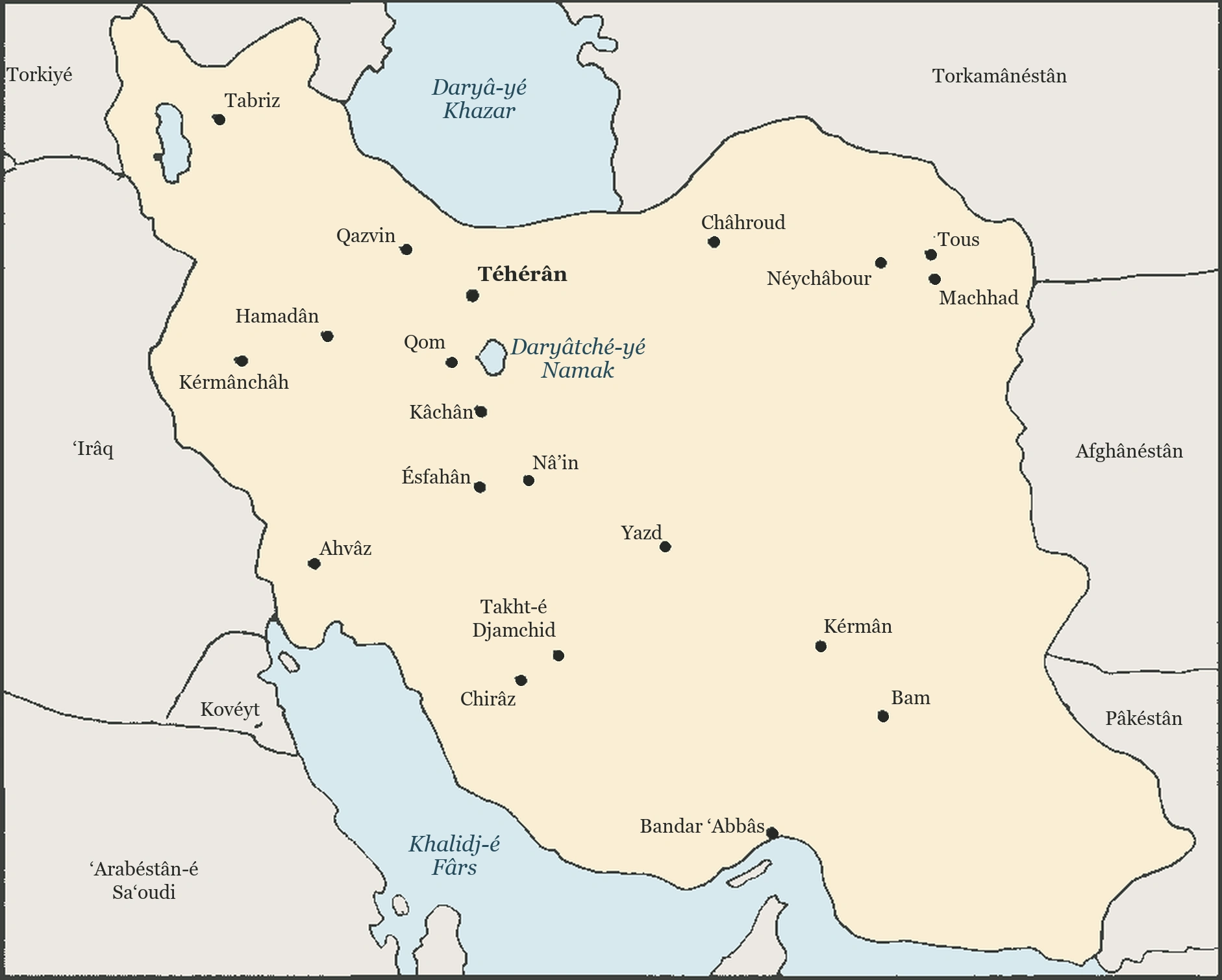
Irano žemėlapisMap of IranCarte d’Iran
IX
Pagal 2003 m. leidinio IX puslapio žemėlapį.Based on the map on page IX of the 2003 edition.D’après la carte de la page IX de l’édition de 2003.
ĮvadasIntroductionIntroduction
XI
Nuo XVII a. Vakarų skaitytojai su Persija susipažindavo iš keliautojų pasakojimų. Juose šalį gaubė rožių, prieskonių ir prabangos įvaizdis. XX a. valstybė tarptautinėje arenoje įsitvirtino senuoju savo vardu – Iranas.From the seventeenth century, many Western readers discovered Persia through travel accounts that associated it with roses, spices and luxury. In the twentieth century the country came to be known internationally by its ancient name, Iran.À partir du XVIIᵉ siècle, des récits de voyage font connaître aux lecteurs occidentaux une Perse associée aux roses, aux épices et au raffinement. Au XXᵉ siècle, le pays s’affirme sur la scène internationale sous son nom ancien, l’Iran.
Persų kalba, arba fârsi, siejama su Farso kraštu, kuriame yra Širazas ir Persepolis ir iš kurio kilo Achemenidų dinastija. Šiuolaikinės persų kalbos pirmtakė yra vidurinė persų kalba, vadinama pahlavi. Persų kalba priklauso indoeuropiečių šeimos iranėnų šakai. Su sanskritu ją sieja tolima giminystė. Palyginkite pédar „tėvas“, mâdar „motina“ ir ast „yra“ su giminingais Europos kalbų žodžiais.Persian, or fârsi, is associated with Fars, the region of Shiraz and Persepolis and the home of the Achaemenid dynasty. Modern Persian descends from Middle Persian, also called Pahlavi. Persian belongs to the Iranian branch of Indo-European and is distantly related to Sanskrit. Compare pédar “father”, mâdar “mother” and ast “is” with cognates in European languages.Le persan, ou fârsi, est associé au Fars, région de Chiraz et de Persépolis et berceau des Achéménides. Le persan moderne descend du moyen perse, aussi appelé pehlevi. Il relève de la branche iranienne de l’indo-européen et est apparenté de loin au sanskrit. Comparez pédar « père », mâdar « mère » et ast « est » à leurs apparentés européens.
Persų kultūra pradėjo plisti už dabartinio Irano ribų pirmaisiais islamo eros amžiais. X a. Samanidų laikais persų kalba ir kultūrinė tapatybė stiprėjo Chorasane bei Transoksianoje, kurios centras buvo Buchara. Kultūrinė įtaka, ryški jau valdant Abasidams nuo 750 m., plačiai pasklido tiurkų ir iranėnų pasaulyje.Persian culture spread beyond the borders of present-day Iran in the early Islamic centuries. Under the Samanids in the tenth century, Persian language and identity flourished in Khorasan and Transoxiana, whose centre was Bukhara. An influence already apparent under the Abbasids from 750 spread across much of the Turkic and Iranian world.La culture persane rayonne au-delà de l’Iran actuel dès les premiers siècles de l’islam. Sous les Samanides, au Xᵉ siècle, la langue et l’identité iraniennes se développent au Khorassan et en Transoxiane, dont Boukhara était le centre. Une influence déjà sensible sous les Abbassides à partir de 750 s’étend dans une vaste aire turco-iranienne.
Persų kalbą ir kultūrą rėmė ir tiurkų kilmės Gaznevidai. Jų laikais Ferdousi sukūrė „Šachnamę“ („Karalių knygą“). Persų kultūros globa tęsėsi seldžiukų, mongolų, Timūridų ir Safavidų laikais.Turkic dynasties such as the Ghaznavids also fostered Persian language and culture. Ferdowsi composed the Shahnameh, or Book of Kings, in their time. Support for Persian culture continued under the Seljuks, Mongols, Timurids and Safavids.Des dynasties d’origine turque, notamment les Ghaznévides, soutiennent également la langue et la culture persanes. Ferdowsi compose à cette époque le Châhnâmé, ou Livre des rois. Ce soutien se poursuit sous les Seldjoukides, les Mongols, les Timourides et les Séfévides.
Persų kalbos atmainos vartojamos Afganistane ir Tadžikistane. Knygoje taip pat minimas istorinis persų kalbos ir kultūros pėdsakas šiaurės Indijoje ir Bombėjuje, kur įsikūrė po islamo užkariavimų išvykusių zoroastrų bendruomenė – parsiai.Varieties of Persian are spoken in Afghanistan and Tajikistan. The book also notes a historical Persian presence in northern India and in Bombay, where Parsis, a Zoroastrian community that had left after the Islamic conquests, settled.Des variétés du persan sont parlées en Afghanistan et au Tadjikistan. Le livre mentionne également la présence historique de la culture persane dans le nord de l’Inde et à Bombay, où se sont établis les Parsis, communauté zoroastrienne partie après les conquêtes islamiques.
Afganistane vartojama dari kalba, o kita šalies oficiali iranėnų kalba yra puštūnų. Tadžikistane vartojama tadžikų kalba. 2003 m. leidinyje persiškai kalbančių žmonių skaičius įvertintas maždaug 120 milijonų.Dari is spoken in Afghanistan, where Pashto, another Iranian language, is also official. Tajik is spoken in Tajikistan. The 2003 book put the number of Persian speakers at about 120 million.Le dari est parlé en Afghanistan, où le pachto, autre langue iranienne, est également officiel. Le tadjik est parlé au Tadjikistan. Le manuel de 2003 estimait à environ 120 millions le nombre de persanophones.
Persų kalba yra oficiali Irano kalba, tačiau šalyje vartojamos ir kitos kalbos bei atmainos, tarp jų bachtijarių, beludžių, lurų, gilakų ir semnanių, taip pat azerbaidžaniečių, turkmėnų, kurdų ir arabų kalbos.Persian is Iran’s official language. Other languages and varieties spoken in the country include Bakhtiari, Balochi, Lori, Gilaki and Semnani, as well as Azerbaijani, Turkmen, Kurdish and Arabic.Le persan est la langue officielle de l’Iran. On y parle aussi le bakhtiari, le baloutche, le lori, le gilaki et le semnani, ainsi que l’azéri, le turkmène, le kurde et l’arabe.
Persų kalbos ypatybėsFeatures of PersianCaractéristiques du persan
Rašymas ir skaitymasWriting and readingÉcriture et lecture
Persų raštas perimtas iš arabų po islamo užkariavimų. Persų abėcėlėje yra keturios papildomos raidės. Po truputį mokykitės rašto ir pagrindinių sakinių lygiagrečiai.The Arabic script was adopted for Persian after the Islamic conquests. Persian adds four letters. Learn the script and basic sentence patterns gradually and in parallel.Le persan a adopté l’écriture arabe après les conquêtes islamiques. Quatre lettres s’y ajoutent. Apprenez progressivement le système graphique en même temps que les premières structures de la langue.
Rašte matomos daugiausia priebalsės ir tokie balsiai kaip â, i bei ou, kartais ow. Trumpieji balsiai įprastai praleidžiami, todėl naują žodį verta išmokti drauge su jo skambesiu. Tam padeda transkripcija ir garso įrašai. Mokomoji transliteracija parodo atitikmenį tarp persų ir lotyniškų raidžių.Writing mainly shows consonants and vowels such as â, i and ou, sometimes ow. Short vowels are usually omitted, so learn the written word together with its sound. Transcription and recordings help. Learning transliteration shows how Persian and Latin characters correspond.On voit surtout les consonnes et certaines voyelles, comme â, i et ou, parfois ow. Les voyelles brèves étant généralement omises, associez chaque graphie à son prononcé. La transcription et les enregistrements aident à le faire. La translittération pédagogique indique les correspondances avec les caractères latins.
Vadovėlio tarimo užrašas ir transliteracija skirti mokymuisi. Jie padeda aiškiau matyti ryšį tarp rašto ir girdimo žodžio.The course’s transcription and transliteration are teaching tools. They make the link between the written form and the spoken word easier to see.La transcription et la translittération choisies sont des outils pédagogiques. Elles rendent plus clair le lien entre graphie et prononciation.
TarimasPronunciationPrononciation
Atskirų žodžių tarimas priklauso nuo regiono. Teherano apylinkėse vietoj a neretai girdimas é, pavyzdžiui, „akis“ gali būti tariama tchachm arba tchéchm. „Šiaurė“ gali skambėti chémâl arba chomâl. To paties žodžio rašyba kartais įvairuoja, kaip nâhâr ir nahâr. Įrašai iš esmės seka transkripciją, tačiau pasitaiko natūralių variantų.Pronunciation varies regionally. Around Tehran, a often sounds like é. For example, “eye” may sound like tchachm or tchéchm. “North” may sound like chémâl or chomâl. Some words have variant spellings, such as nâhâr and nahâr. The recordings generally follow the transcription, with occasional natural variation.La prononciation varie selon les régions. Autour de Téhéran, a se prononce souvent é. Ainsi, « œil » peut se dire tchachm ou tchéchm. « Nord » se dit chémâl ou chomâl. Certains mots, comme nâhâr et nahâr, ont aussi deux graphies. Les enregistrements suivent en général la transcription, avec quelques variantes naturelles.
Kai kurios sudėtinės formos ir dalelytės rašomos kartu arba atskirai. Knygos pavyzdžiai yra mi ravam ir miravam („einu“), goft-o gou ir goftogou („pokalbis“), chab râ ir chabrâ („naktį“, su papildinio dalelyte râ). Jungtukas „ir“ persiškai turi vieną rašmenį. Pagal kontekstą jis tariamas va arba o.Some compounds and particles can be written together or apart. The book gives mi ravam and miravam (“I go”), goft-o gou and goftogou (“conversation”), and chab râ and chabrâ (“the night”, with the object marker râ). Persian writes “and” with one character. Its pronunciation is va or o, depending on context.Certains composés et certaines particules s’écrivent avec ou sans séparation. Le livre donne mi ravam et miravam (« je vais »), goft-o gou et goftogou (« conversation »), ainsi que chab râ et chabrâ (« la nuit », avec la particule râ). La conjonction « et » s’écrit avec un seul signe et se prononce va ou o selon le contexte.
Šnekamoji ir rašytinė kalbaSpoken and written PersianLangage parlé et langue écrite
Šnekant kai kurie garsai ir galūnės pakinta. „Duona“ iš nân gali virsti noun, ast („yra“) – é, o béravim („eikime“) – bérim.Some sounds and endings change in speech. “Bread”, nân, may become noun, ast (“is”) may become é, and béravim (“let’s go”) may become bérim.À l’oral, certains sons et certaines terminaisons changent. Le pain, nân, peut devenir noun, ast (« il est ») devient é, et béravim (« allons ») s’abrège en bérim.
Šnekamosios formos gali būti užrašomos, pavyzdžiui, romano dialoge. Pradedančiajam jos kartais apsunkina atpažinimą. Todėl pamokų dialogai remiasi bendrinėmis formomis, o dažnų žodžių ir posakių šnekamieji variantai pateikiami skliaustuose.Colloquial forms can be written down, for example in a novel’s dialogue. They can make words harder for beginners to recognise. The course therefore uses standard forms in dialogues, with common spoken variants of words and phrases given in parentheses.Les formes familières peuvent être transcrites, par exemple dans un dialogue de roman. Leur aspect peut dérouter un débutant. La méthode emploie donc les formes standard dans ses dialogues et indique entre parenthèses les variantes orales les plus courantes.
Pradėjus nuo bendrinių formų lengviau išmokti kasdienį tarimą. Bendraujant su iraniečiais pamažu tampa įprasti skirtingi regioniniai tarimai, rašybos formos ir pasakymai.Studying standard forms first makes it easier to pick up everyday speech. With regular contact with Iranians, regional differences in pronunciation, spelling and phrasing become more familiar.On passe plus facilement à la prononciation courante après avoir appris les formes standard. Le contact régulier avec des Iraniens familiarise peu à peu avec les variantes régionales de prononciation, d’écriture et d’expression.
Arabų kilmės žodynasArabic vocabularyLe vocabulaire arabe
Kartu su raštu persų kalba perėmė daug arabiškų žodžių. Ferdousi ir kiti ankstyvieji rašytojai siekė išlaikyti persišką žodyną, bet skoliniai paplito moksle, teologijoje, filosofijoje ir kasdienėje kalboje.Along with the script, Persian acquired many Arabic words. Ferdowsi and other early writers strove to retain native Persian vocabulary, but loans spread in science, theology, philosophy and everyday speech.Avec l’alphabet arabe, de nombreux mots arabes sont entrés en persan. Malgré les efforts de Ferdowsi et d’autres écrivains anciens pour conserver le lexique persan, les emprunts se sont répandus dans les sciences, la théologie, la philosophie et la vie courante.
Daugelio skolinių rašyba išliko artima arabiškai. Gali skirtis galūnės ar būti praleisti ženklai sokoun (balsio nebuvimas), hamzé (glotalinio uždarumo ženklas) ir tachdid (priebalsio dvigubinimas). Kai kuriuos skolinius padeda atpažinti arabiškos emfatinės raidės. Mokant arabų kalbą lengviau atpažinti giminingus skolinius ir nuspėti jų reikšmes.Many loans retain their Arabic spelling, with occasional changes at the end or omission of signs such as sokoun (absence of a vowel), hamzé (a glottal-stop sign) and tachdid (consonant doubling). Arabic emphatic letters help identify some of these words. A knowledge of Arabic helps readers recognise related borrowings and infer their meanings.De nombreux emprunts gardent une graphie proche de l’arabe, avec parfois une finale modifiée ou l’omission du sokoun (absence de voyelle), de la hamzé (signe d’un arrêt glottal) ou du tachdid (redoublement). Les lettres emphatiques arabes aident à reconnaître certains emprunts. La connaissance de l’arabe facilite l’identification de mots apparentés et de leur sens.
Kai kurių arabų kilmės žodžių daugiskaita sudaroma keičiant pačią žodžio sandarą. Tokias vidines daugiskaitas verta mokytis kartu su vienaskaita.Some words of Arabic origin form their plurals by changing the internal structure of the word. Learn these broken plurals with the singular forms.Certains emprunts à l’arabe forment leur pluriel en modifiant la structure interne du mot. Apprenez ces pluriels internes avec le singulier.
Persų kalboje nėra gramatinės giminės ir sudėtingo derinimo. Veiksmažodžiai turi du pagrindinius kamienus. Sakinio gale dažnai stovi veiksmažodis.Persian has no grammatical gender and little inflectional agreement. Its verbs have two basic stems. The verb often comes at the end of the sentence.Le persan ignore le genre grammatical et les accords complexes. Le verbe possède deux radicaux de base et se place souvent en fin de phrase.
Daiktavardį su būdvardžiu arba kitu daiktavardžiu sieja izafetė, tariama -é arba -yé. Įprastai rašte ji nežymima, nors tariama. Vadovėlyje ji pažymėta, kad mokantis jungtį būtų lengviau įsidėmėti. Dalelytė râ eina po tam tikrų papildinių.The ezafe, pronounced -é or -yé, connects a noun to an adjective or another noun. It is pronounced and typically unwritten. The course marks it to make the link easier to learn. The particle râ follows certain objects.L’ézafé, prononcé -é ou -yé, lie un nom à un adjectif ou à un autre nom. Il se prononce et ne s’écrit généralement pas. Le manuel le matérialise pour faciliter son apprentissage. La particule râ vient après certains compléments.
Įgijus pagrindus galima greitai pradėti kurti trumpus kasdienius sakinius. Labiau išplėtotai kalbai reikės daugiau posakių. Knygoje tam parinkti dialogai, pasakojimai, pasakos, spaudos tekstai ir poezija. Ilgainiui šios skirtingos formos padeda tęsti mokymąsi savarankiškai.With a basic grasp of these patterns, you can soon build short everyday sentences. More formal or expressive Persian calls for a wider range of idioms. To develop it, the book includes dialogues, narratives, tales, press language and poetry. This variety is intended to prepare learners for further independent study.Avec ces bases, on peut rapidement construire de petites phrases de la vie quotidienne. Un registre plus soutenu demande davantage de tournures et d’expressions. Le manuel propose à cet effet des dialogues, des récits, des contes, des textes de presse et de la poésie. Leur diversité prépare à l’approfondissement autonome.
Kaip naudotis metoduHow to use the courseMode d’emploi de la méthode de persan
XVI
Pirmoji bangaThe first waveLa première vague
Pirmoji banga skirta suprasti ir atpažinti. Jei turite leidinio garso įrašus, pirmiausia perklausykite visą tekstą, tada leiskite jį po sakinį ir garsiai kartokite. Iki 13 pamokos dialogų ir pratimų sakiniai skamba dukart. Pirmą kartą jie sakomi lėčiau, paliekant laiko pakartoti, o paskui dar kartą ištariamas visas sakinys.The first wave develops understanding and recognition. If you have the publisher’s recordings, listen to the full text first. Then play it one sentence at a time and repeat aloud. Through Lesson 13 the sentences in dialogues and exercises are recorded twice, first slowly with time to repeat, then as a whole sentence.La première vague développe la compréhension et la reconnaissance. Si vous disposez des enregistrements de l’éditeur, écoutez une fois le texte entier, puis reprenez-le phrase par phrase et répétez à voix haute. Jusqu’à la leçon 13, les phrases des dialogues et des exercices sont enregistrées deux fois, d’abord lentement avec une pause, puis en entier.
Pratimų įrašuose laiko pakartoti palikta iki 43 pamokos. Nuo 44 pamokos pauzės trumpesnės, tad prireikus sustabdykite įrašą.The exercise recordings leave time to repeat through Lesson 43. From Lesson 44 the pauses are shorter, so stop the recording when needed.Les enregistrements d’exercices laissent un temps de répétition jusqu’à la leçon 43. À partir de la leçon 44, les pauses sont plus brèves. Mettez l’enregistrement en pause au besoin.
Lyginkite dešinėje pateiktus persų rašmenis su kairėje esančia tarimo transkripcija. Po ja rasite pažodinę eilutę, skirtą sakinio sandarai suprasti, ir įprastą vertimą. Perskaitykite pastabas apie žodyną bei gramatiką, peržiūrėkite raštą ir tada atlikite pratimus.Compare the Persian on the right with the phonetic transcription on the left. Below it, a word-for-word line clarifies the structure and a natural translation gives the meaning. Read the vocabulary and grammar notes, study the writing, then do the exercises.Comparez les caractères persans à droite avec la transcription phonétique à gauche. En dessous, le mot à mot éclaire la structure, puis la traduction courante donne le sens. Lisez les notes lexicales et grammaticales, étudiez l’écriture et faites les exercices.
Kas septinta pamoka skirta šešių ankstesnių pamokų gramatikai pakartoti. Skirkite jai tiek pat dėmesio, kiek naujai pamokai. Pabaigoje paprastai laukia kartojimo dialogas arba specialus pratimas.Every seventh lesson reviews the grammar of the previous six. Give it the same attention as a new lesson. A review dialogue or a dedicated exercise usually closes it.Toutes les sept leçons, une révision reprend la grammaire des six leçons précédentes. Consacrez-lui autant d’attention qu’à une nouvelle leçon. Elle se termine généralement par un dialogue de révision ou un exercice ciblé.
Kaip naudotis metodu (tęsinys)How to use the course (continued)Mode d’emploi (suite)
XVII
Antroji bangaThe second waveLa deuxième vague
Antroji banga prasideda nuo 50 pamokos. Kartu su nauja pamoka kartojama pati pirmoji, su kita – antroji, ir taip toliau. Senų dialogų bei pratimų sakinius pirmiausia supraskite ir išverskite patys. Vertimą atsiverskite pasitikrinti.At Lesson 50, begin the second wave. Revisit Lesson 1 alongside the new one, then Lesson 2 with the following lesson, and so on. Work through the old dialogues and exercises independently first, then check the translation.À la leçon 50, commencez la deuxième vague. Reprenez la première leçon en parallèle de la nouvelle, puis la deuxième avec la leçon suivante, et ainsi de suite. Traduisez par vous-même les phrases des anciens dialogues et exercices avant de consulter la traduction.
Mokykitės ir skaitvardžių. Knygos pamokų pradžioje pateikiamos kelintinės formos, o puslapių apačioje – kiekinės. Knygoje mokomasi palaipsniui, kaitaliojami tekstų žanrai, o iliustracijos įneša humoro. Autoriai rekomenduoja reguliariai mokytis maždaug pusvalandį per dieną.Learn the numbers too. The book gives ordinal forms at the start of lessons and cardinal forms at the foot of the pages. It progresses in stages, varies the texts and uses drawings to add humour. The authors recommend studying regularly for about half an hour a day.Apprenez aussi les nombres. Le livre donne les ordinaux au début des leçons et les cardinaux en bas des pages. Il avance par étapes, varie les textes et apporte une touche d’humour par les dessins. Les auteurs conseillent un travail régulier d’environ une demi-heure par jour.
Galima nuo pradžių mokytis ir persų rašto, ir kalbos pagrindų. Jei iš pradžių norite remtis transkripcija, rašto galite imtis vėliau, pavyzdžiui, pradėję antrąją bangą. Net ir tuo atveju autoriai siūlo bent kartą klausytis kiekvienos pamokos žiūrint į persų rašmenis, kad skambesys pamažu susisietų su raštu.You can learn the script and the basics of the language together from the start. If you prefer to begin with the transcription, you can turn to the script later, for example at the start of the second wave. Even then, the authors suggest listening to each lesson at least once while looking at the Persian so the sound gradually becomes associated with the writing.Vous pouvez étudier dès le début l’écriture et les rudiments de la langue ensemble. Si vous préférez commencer avec la transcription, vous pouvez aborder l’écriture plus tard, par exemple au début de la deuxième vague. Les auteurs conseillent tout de même d’écouter chaque leçon au moins une fois en suivant le texte persan, pour relier progressivement les sons aux signes.
1
Pirmoji pamokaFirst lessonPremière leçon(dars-é avval)
vyras vanduo jis-davėman water he-gavehomme eau il-donna
Vyras davė vandens.The man gave some water.L'homme a donné de l'eau.
۲مرد آب داد
مرد آب داد
Pastaba dėl tarimoNote on pronunciationRemarque concernant la prononciation
Gerai skirkite a ir â, ypač žodyje âmad, kuriame yra abiejų rūšių balsiai, trumpasis ir ilgasis. Persų kalbos â tariamas labai pabrėžtinai, t. y. labai arti o. Pasitelkite tam skirtą įrašytą pratimą.Be careful to distinguish between a and â, especially in the word âmad, which contains both types of vowel, short and long. The Persian â is pronounced in a very emphatic way, that is, very close to o. Use the recorded exercise provided for this purpose.Faites bien la distinction entre le a et le â, surtout dans le mot âmad qui comporte les deux types de voyelles, brève et longue. Le â en persan se prononce de manière très emphatique, c'est-à-dire très proche du o. Aidez-vous de l'exercice enregistré à cet effet.
PastabosNotesNotes
①
Veiksmažodyje jau yra trečiojo asmens vienaskaitos įvardis, vyriškosios ar moteriškosios giminės: âmadآمد, vartojamas vienas, reiškia jis atėjo arba ji atėjo, taip pat jis yra atėjęs arba ji yra atėjusi, nes šis persų kalbos praeities laikas atitinka prancūzų kalbos passé simple arba passé composé. Tas pats ir žodžiui dâdداد. Šie įvardžiai naujų žodžių sąraše bus nurodyti laužtiniuose skliaustuose.The verb contains within itself the pronoun of the third person singular, whether masculine or feminine: âmadآمد, used alone, means he came or she came, or also he has come or she has come, because this Persian past tense corresponds either to the French passé simple or to the French passé composé (that is, to either the simple past or the present perfect in English). The same remarks apply to dâdداد. These pronouns will be indicated in square brackets in the new words.Le verbe contient en lui-même le pronom de la troisième personne du singulier, qu'il soit masculin ou féminin : âmadآمد, employé seul, signifie il vint ou elle vint ou encore il est venu ou elle est venue, car ce passé en persan correspond soit au passé simple, soit au passé composé du français. Mêmes remarques pour dâdداد. Ces pronoms seront indiqués entre crochets dans les mots nouveaux.
Pažodiniame vertime įvardį ir veiksmažodžio formą sujungsime brūkšneliu: jis-atėjo arba jis-davė.In the literal transcription, we will link the pronoun and the verb form with hyphens: he-came or he-has-given.Dans la transcription littérale, nous relierons avec des traits d'union le pronom et la forme verbale : il-vint ou il-a-donné.
②
Pastebite, kad nėra nei artikelio, nei dalomojo artikelio (du, de la): vandens (t. y. „tam tikro kiekio vandens“) persiškai tiesiog sakoma vanduo.You will notice that there is no article, nor any partitive (as in French du, de la): some water (that is, “a certain quantity of water”) is simply said as water in Persian.Vous remarquez qu'il n'y a pas d'article, ni de partitif (du, de la) : de l'eau (c'est-à-dire "une certaine quantité d'eau") se dira en persan eau tout court.
③
Persų kalboje veiksmažodis paprastai dedamas sakinio gale.In Persian, the verb is generally placed at the end of the sentence.En persan, le verbe se place en règle générale à la fin de la phrase.
Žodžiai, kuriuos reikia išmoktiWords to learnLes mots à apprendre
mard
مرد
vyrasmanhomme
âb
آب
vanduowatereau
âmad
آمد
[jis/ji] atėjo ; [jis/ji] yra atėjęs (-usi)[he/she] came; [he/she] has come[il/elle] vint ; [il/elle] est venu(e)
dâd
داد
[jis/ji] davė / yra davęs (-usi)[he/she] gave / has given[il/elle] donna / a donné
Persų rašto mokymąsi pradėsime nuo šių dviejų trumpų sakinių, kuriuose iš viso yra 5 raidės.We are going to begin learning to write Persian with these two short sentences, which contain 5 letters in all.Nous allons commencer l’apprentissage de l’écriture du persan avec ces deux courtes phrases qui comportent en tout 5 lettres.
Pirmosios raidėsThe first lettersLes premières lettres
اÂaléf žymi balsio a pailgėjimą žodžio viduje ir atitinka â. Atkreipkite dėmesį, kad aléf rašomas iš viršaus žemyn, kai yra atskiras, ir iš apačios aukštyn, kai yra sujungtas: باbâ.aléf is used to mark the lengthening of the vowel a inside a word and corresponds to â. Note that aléf is written from top to bottom when it is isolated and from bottom to top when it is joined: باbâ.aléf sert à marquer l’allongement de la voyelle a à l’intérieur d’un mot et correspond à â. Notez qu’aléf s’écrit de haut en bas quand il est isolé et de bas en haut quand il est lié : باbâ.آÂaléf bâ kolâh, t. y. „aléf su kepure“, nes virš jo yra brūkšnelis. Jis žymi ilgąjį a (â) žodžio pradžioje, kaip žodyje âbآب, vanduo.aléf bâ kolâh, that is, “aléf with a hat”, because it is topped by a bar. It indicates a long a (â) at the beginning of a word, as in the word âbآب, water.aléf bâ kolâh, soit « aléf avec chapeau », parce qu’il est surmonté d’une barre. Il indique un a long (â) en début de mot, comme dans le mot âbآب, eau.بBbéرRréدDdâlمMmim
• Pratinkitės rašyti šias raides pagal schemą, pateiktą prie pridėtoje brošiūroje esančio abėcėlės pristatymo.• Practise writing these letters following the diagram shown in the presentation of the alphabet in the accompanying booklet.• Entraînez-vous à écrire ces lettres suivant le schéma indiqué dans la présentation de l'alphabet dans le fascicule joint.
• Žodžiai rašomi iš dešinės į kairę ir pagal įsivaizduojamą rašymo liniją. Kai kurios raidės jungiasi su kita, kitos ne. Taip yra su aléf, ré ir dâlا ر د.• Words are written from right to left and relative to an imaginary line of writing. Some letters join to the following one, others do not. This is the case for aléf, ré and dâlا ر د.• Les mots s’écrivent de droite à gauche et par rapport à une ligne d’écriture imaginaire. Certaines lettres se lient à la suivante, d’autres non. C’est le cas d’aléf, ré et dâlا ر د.
Pažiūrėkime kartu pamokos žodžių transliteraciją:Let us look together at the transliteration of the words of the lesson:Voyons ensemble la translittération des mots de la leçon :
TransliteracijaTransliterationTranslittération
Ši transliteracija nepretenduoja į mokslinį tikslumą, ji skirta tik padėti jums atpažinti persų raides ir priprasti skaityti priešinga mūsų lotyniškajai abėcėlei kryptimi priebalses, kurios dažniausiai turi nerašomus balsius.This transliteration makes no scientific claims. Its only aim is to help you recognize the Persian letters and get used to reading, in the opposite direction to our Latin alphabet, consonants that carry vowels which are most often not written.Cette translittération n'a aucune prétention scientifique, mais a seulement pour but de vous aider à reconnaître les lettres du persan et de vous habituer à lire dans le sens contraire de notre alphabet latin des consonnes qui portent des voyelles le plus souvent non écrites.
Kiekvieną persų ženklą atitiks mūsų abėcėlės priebalsė (rašoma didžiąja raide) su savo balsiu (rašomu mažąja raide). Pabrėžiame, kad tik didžiosiomis raidėmis parašytos raidės atitinka persų ženklą. Todėl ilgasis a žodžio pradžioje ar viduje bus žymimas Â, o tai rodo, kad čia yra persų abėcėlės aléf.Each Persian character will correspond to a consonant (written in capital letters) of our alphabet, accompanied by its vowel (written in lower case). We insist on the fact that only the letters written in capitals correspond to a character in Persian. This is why the long a at the beginning of a word or inside a word will be represented by Â, which signals the presence of an aléf of the Persian alphabet.À chaque caractère du persan correspondra une consonne (écrite en majuscule) de notre alphabet accompagnée de sa voyelle (écrite en minuscule). Nous insistons sur le fait que seules les lettres écrites en majuscules correspondent à un caractère en persan. C'est pourquoi le a long en début de mot ou à l'intérieur d'un mot sera représenté par Â, ce qui signale la présence d'un aléf de l'alphabet persan.
Kad būtų lengviau susieti persų ženklą su lotyniška raide (arba skiemeniu), pakaitomis keitėme spalvą: juodas persų ženklas atitinka juodą lotynišką raidę (arba skiemenį) eilute žemiau, o mėlynas persų ženklas atitinka mėlyną lotynišką raidę (arba skiemenį).To help you match the Persian character with the Latin letter (or syllable), we have alternated the colours: thus, a black Persian character corresponds to the black Latin letter (or syllable) on the line below it, and a blue Persian character corresponds to the blue Latin letter (or syllable).Pour vous aider à faire la correspondance entre le caractère persan et la lettre (ou syllabe) latine, nous avons alterné la couleur : ainsi, le caractère persan noir correspondra à la lettre (ou syllabe) latine noire qui se trouve à la ligne en dessous, et le caractère persan bleu correspondra à la lettre (ou syllabe) latine bleue.
(rašymo kryptis)(writing direction)(sens de l’écriture)
←
مMaرRدD
mard
1
مMaرRدD
mard
آÂمMaدD
âmad
2
مMaرRدD
mard
آÂبB
âb
دDاÂدD
dâd
Šią transliteraciją taikysime viso abėcėlės mokymosi metu ir net po jo.We will keep giving this transliteration throughout the learning of the alphabet and even beyond.Nous continuerons à faire pendant tout l'apprentissage de l'alphabet et même au-delà cette translittération.
Persų ženklai gali šiek tiek keisti formą, priklausomai nuo vietos žodyje, bet tai greitai išmokstama. Kiekvienoje pamokoje skirtingos naujų raidžių formos bus pateiktos lentelėje.Persian characters can take a slightly different form depending on their position in the word, but this is quickly learned. In each lesson, the various forms of the new letters will be shown in a table.Les caractères persans peuvent prendre une forme légèrement différente suivant la position qu'ils occupent dans le mot, mais ceci est vite appris. Dans chaque leçon, les diverses formes des nouvelles lettres seront indiquées dans un tableau.
• Žodyje mardمرد raidė mimم M yra pradinėje padėtyje. Todėl ji praranda nusileidžiančią brūkšnio dalį ir prisitvirtina prie réر R. Balsis a nenurodytas, nes trumpieji balsiai niekada nerašomi. Todėl norint perskaityti šį žodį, reikia jį žinoti ir atpažinti kontekste. Kitur jis galėtų būti skaitomas ir, pavyzdžiui, mord.• In the word mardمرد the letter mimم M is in initial position. As a result it loses the descending part of its stroke in order to attach itself to the réر R. The vowel a is not indicated, because short vowels are never written. To read this word, you therefore have to know it and recognize it in its context. Elsewhere, it could also be read mord, for example.• Dans le mot mardمرد la lettre mimم M est en position initiale. Elle perd de ce fait la partie descendante de son tracé pour s'accrocher au réر R. La voyelle a n'est pas indiquée, car les voyelles brèves ne sont jamais notées. Pour lire ce mot, il faut donc le connaître et le reconnaître dans son contexte. Ailleurs, il pourrait aussi se lire mord, par exemple.
Tai, kad arabiškame rašte trumpieji balsiai nežymimi atskiru ženklu, apsunkina skaitymą. Bet patariame, kai atpažinsite kiekvieną žodį sudarančią raidę, žodį išmokti ir regimai, ir girdimai, pirmiausia atskirai, o paskui įdėtą į kontekstą. Pradžioje tie patys žodžiai pamokose kartosis dažnai. Taip lengvai išmoksite juos atpažinti.The fact that short vowels are not written with a specific character in Arabic script makes reading difficult. But we advise you, once you have recognized each of the letters that make up a word, to learn it both visually and aurally, first on its own and then placed back in its context. At the beginning, the same words will come back often in the lessons. In this way, you will easily learn to recognize them.Le fait que les voyelles brèves ne soient pas notées par un caractère spécifique dans l’écriture arabe constitue une difficulté de lecture. Mais nous vous conseillons, une fois que vous avez reconnu chacune des lettres qui constituent un mot, de l’apprendre à la fois visuellement et auditivement, seul puis replacé dans son contexte. Au début, les mêmes mots reviendront souvent dans les leçons. Ainsi, vous apprendrez aisément à les reconnaître.
• Réر R jungiasi su mimم M, bet nesijungia su paskesniu ženklu. Čia jis neturi balsio. Vidurinėje padėtyje jis todėl turi mažą jungtį, siejančią jį su ankstesne raide. Šis ženklas beveik nekinta. Todėl jis turi tik dvi formas: atskirą / pradinę ir vidurinę / galinę.• The réر R is joined to the mimم M, but does not join to the following character. Here, it carries no vowel. In medial position it therefore has a small connecting stroke which links it to the preceding letter. This character hardly changes at all. It therefore has only two forms, in isolated / initial and medial / final positions.• Le réر R est lié au mimم M, mais ne se lie pas au caractère suivant. Ici, il ne porte pas de voyelle. En position médiane il a donc une petite attache qui le relie à la lettre précédente. Ce caractère ne se modifie guère. Il n'a donc que deux formes, en positions isolée / initiale et médiane / finale.
• Raidė dâlد D, kaip ir ré, nesijungia su paskesniu ženklu. Todėl ji turi dvi formas: atskirą / pradinę arba atskirą / galinę, kaip žodyje dâd, ir sujungtą su ankstesniu ženklu, kaip žodyje âmad: د → دادdâd ; ـد → آمدâmad• The letter dâlد D, like the ré, does not join to the following character. It therefore has two forms, isolated / initial or else isolated / final as in the word dâd, and is joined to the preceding character as in the word âmad: د → دادdâd ; ـد → آمدâmad• La lettre dâlد D, comme le ré, ne se lie pas au caractère suivant. Elle a donc deux formes, isolée / initiale ou encore isolée / finale comme dans le mot dâd, et est liée au caractère précédent comme dans le mot âmad : د → دادdâd ; ـد → آمدâmad
• Aléfا, pirmoji persų abėcėlės raidė, yra ypatingas ženklas, neatitinkantis lotyniškosios abėcėlės priebalsės. Jis turi dvi funkcijas:• Aléfا, the first letter of the Persian alphabet, is a special character that does not correspond to a consonant of the Latin alphabet. It has two functions:• Aléfا, la première lettre de l'alphabet persan, est un caractère particulier qui ne correspond pas à une consonne de l'alphabet latin. Elle a deux fonctions :
1. Aléf žodžio pradžioje yra balsio atrama. Šioje pirmoje pamokoje jis nešia balsį a (bet tai gali būti é, o… pavyzdžių pamatysime vėliau). Kai aléf turi „kepurę“, jis reiškia tik ilgąjį a žodžio pradžioje, kaip žodyje âmadآمد.1. Aléf serves as a vowel carrier in initial position. In this first lesson, it carries the vowel a (but it can be é, o… we will see examples later on). When aléf wears “its hat”, it represents only a long a at the beginning of a word, as in âmadآمد.1. Aléf sert de support de voyelle en initiale. Dans cette première leçon, il supporte la voyelle a (mais cela peut être é, o… nous en verrons des exemples plus loin). Quand aléf porte "son chapeau", il représente uniquement un a long au début d'un mot, comme dans âmadآمد.
2. Kai aléf be kepurės yra žodžio viduje, prisijungęs ar neprisijungęs prie ankstesnio ženklo, jis rodo, kad ankstesnė priebalsė turi ilgąjį a, kaip žodyje dâdداد.2. When aléf, without a hat, is placed inside a word, attached or not to the preceding character, it indicates that the preceding consonant carries a long a, as in the word dâdداد.2. Quand aléf, sans chapeau, est placé à l'intérieur d'un mot, attaché ou non au caractère précédent, il indique que la consonne précédente porte un a long, comme dans le mot dâdداد.
• Raidė bé atskiroje padėtyje rašoma ب. Atskirą formą ji turi arba abėcėlės sąraše, arba kai žodyje eina po ženklo, kuris nesijungia su paskesniu, kaip yra su aléf. Pavyzdys – žodis âbآب.• The letter bé in isolated position is written ب. It has its isolated form either in the list of the alphabet, or when, inside a word, it comes after a character that does not join to the following one, which is the case of aléf. Example: the word âbآب.• La lettre bé en position isolée s'écrit ب. Elle a sa forme isolée soit dans la liste de l'alphabet, soit lorsque dans un mot elle vient après un caractère qui ne se lie pas au suivant, ce qui est le cas de aléf. Exemple du mot âbآب.
Žemiau pateikiame įvairias aléf, ré, dâl, bé ir mim formas atskiroje, pradinėje, vidurinėje ir galinėje padėtyje – tai tik orientaciniam žvilgsniui, o atpažinti jas išmoksite palaipsniui, joms rodantis kitose pamokose. Kol kas pratinkitės tik rašyti atskiras raides, o paskui tokias, kokios jos pasirodo šioje pamokoje (formos, įrėmintos lentelėje žemiau).Below we give the different forms of aléf, ré, dâl, bé and mim in isolated, initial, medial and final positions – this is for information only, as you will learn to recognize them as they appear in the coming lessons. For the moment, practise only drawing the isolated letters and then the letters as they appear in this lesson (forms boxed in the table below).Nous donnons ci-dessous les différentes formes de aléf, ré, dâl, bé et mim en positions isolée, initiale, médiane et finale – ceci à titre indicatif, mais vous apprendrez à les reconnaître au fur et à mesure qu'elles apparaîtront dans les prochaines leçons. Pour le moment, entraînez-vous seulement à tracer les lettres isolées et, ensuite, telles qu'elles apparaissent dans cette leçon (formes encadrées dans le tableau ci-dessous).
galinėfinalfinale
vidurinėmedialmédiane
pradinėinitialinitiale
atskira, nesujungtaisolated, unjoinedisolée, non liée
Skaitykite ir kartokite gerai skirdami trumpąjį a ir ilgąjį a, kuris tariamas labai arti atviro o (âmad: „omad“).Read and repeat, taking care to distinguish between the short a and the long a, the latter being pronounced very close to an open o (âmad: “omad”).Lisez et répétez en faisant bien la distinction entre le a bref et le a long, ce dernier étant prononcé très proche d'un o ouvert (âmad : "omad").
Trumpąjį a galima pažymėti įstrižu brūkšneliu virš priebalsės, kai kyla painiavos su kitu žodžiu pavojus. Čia jį išimties tvarka dedame virš priebalsės:The short a can be indicated by a slanting stroke above the consonant when there is a risk of confusion with another word. We put it here above the consonant as an exception:Le a bref peut s'indiquer par un trait oblique au-dessus de la consonne, quand il y a risque de confusion avec un autre mot. Nous le mettons ici au-dessus de la consonne à titre exceptionnel :
ba
بَ
[Ba]
bâ
با
suwithavec
[ÂB]
bâbâ
بابا
tėtisdadpapa
[ÂBÂB]
ra
رَ
[Ra]
râ
را
[ÂR]
da
دَ
[Da]
dâ
دا
[ÂD]
dâd
داد
[jis] davė[he] gave[il] donna
[DÂD]
ma
مَ
[Ma]
mard
مَرد
vyrasmanhomme
[DRMa]
mâ
ما
meswenous
[ÂM]
âmad
آمد
[jis/ji] atėjo[he/she] came[il/elle] vint
[D Ma Â]
2
Antroji pamokaSecond lessonDeuxième leçon(dars-é dovvom)
vyras viduje bazaras jis-yraman in bazaar he-ishomme dans bazar il-est
Vyras yra bazare.The man is at the bazaar.L'homme est au bazar.
۲مرد در بازار است
Pastaba dėl tarimoNote on pronunciationRemarque concernant la prononciation
Po a žodyje béبه pasirodo antrasis trumpasis balsis, visada tariamas é.After a, the second short vowel appears in the word béبه, always pronounced é.Après a, apparaît la deuxième voyelle brève dans le mot béبه, toujours prononcée é.
PastabosNotesNotes
①
Pastebite, kad veiksmažodis yra sakinio gale, kaip jau minėjome pirmoje pamokoje. Tas pats ir su veiksmažodžiu būti: astاستjis yra.You will notice that the verb is at the end of the sentence, as we already pointed out in the first lesson. This is also the case for the verb “to be”: astاستhe is.Vous remarquez que le verbe est à la fin de la phrase, comme nous l'avons déjà signalé dans la première leçon. Et c'est le cas aussi pour le verbe être : astاستil est.
②
Šiuose dviejuose sakiniuose matote, kad nėra apibrėžtojo artikelio, o tai labai viską supaprastina.In these two sentences you can see that there is no definite article, which simplifies things a great deal.Dans ces deux phrases vous constatez qu'il n'y a pas d'article défini, ce qui simplifie bien les choses.
Nauji žodžiaiNew wordsLes mots nouveaux
bâzâr
بازار
turgusmarketmarché
ast
است
[jis/ji] yra[he/she] is[il/elle] est
bé
به
į (kryptis, skyrimas)to (direction, attribution)à (direction, attribution)
dar
در
vidujeindans
Naujos raidėsNew lettersLes lettres nouvelles
تTtéزZzéسSsin
Pastabos dėl raštoNotes on writingRemarques concernant l'écriture
Dėmesio: tam tikros raidės, kaip netrukus pamatysite, turi tą pačią formą ir skiriasi tik vienu, dviem ar trimis taškais. Pavyzdžiui, šios dvi:Careful: a number of letters, as you will see, have the same shape and are distinguished only by one, two or three dots. As, for example, the following two:Attention : un certain nombre de lettres, vous allez le voir, ont la même forme et se distinguent uniquement par un, deux ou trois points. Comme, par exemple, les deux suivantes :
• téت T rašoma kaip béب B, tik su dviem taškais virš raidės.• téت T is written like béب B, but with two dots above the letter.• téت T s'écrit comme béب B, mais avec deux points au-dessus de la lettre.
• zéز Z rašoma kaip réر R, tik virš jos yra taškas. Nesumaišykite jų. Dėmesio, šios dvi raidės rašomos žemiau linijos: ز ر• zéز Z is written like réر R, except that it is topped by a dot. Do not confuse them. Note that these two letters are written below the line: ز ر• zéز Z s'écrit comme réر R, sauf qu'elle est surmontée d'un point. Ne les confondez pas. Attention, ces deux lettres s'écrivent en dessous de la ligne : ز ر
• sinس S visada tariamas „ss“ ir pradinėje bei vidurinėje padėtyje rašomas šiek tiek kaip ranka rašytinis „w“.• sinس S is always pronounced “ss” and is written somewhat like a handwritten “w” in initial and medial positions.• sinس S se prononce toujours "ss" et s'écrit un peu comme un "w" manuscrit, en positions initiale et médiane.
galinėfinalfinale
vidurinėmedialmédiane
pradinėinitialinitiale
atskiraisolatedisolée
ـت
ـتـ
تـ
ت
té
ـز
ـز
ز
ز
zé
ـس
ـسـ
سـ
س
sin
Perskaitykite aukščiau pateiktą lentelę ir kol kas įsiminkite tik įrėmintas formas: tai yra kiekvienos raidės atskirą formą, taip pat dar dvi, pasirodančias pamokoje, – sin pradinėje ir té galinėje padėtyje.Read the table above and for the moment retain only the boxed forms: that is, that of each isolated letter, as well as the two others that appear in the lesson, sin in initial position and té in final position.Lisez le tableau ci-dessus et ne retenez pour le moment que les formes encadrées : c'est-à-dire celle de chaque lettre isolée, ainsi que les deux autres qui apparaissent dans la leçon, sin en position initiale et té en finale.
TransliteracijaTransliterationTranslittération
←
دDaرR
dar
بBاÂزZاÂرR
bâzâr
1
مMaرRدD
mard
بBéهH
bé
بBاÂزZاÂرR
bâzâr
آÂمMaدD
âmad
2
مMaرRدD
mard
دDaرR
dar
بBاÂزZاÂرR
bâzâr
اAسSتT
ast
Prielinksnį béبه, sudarytą iš B ir H, kuris čia netariamas, kol kas išmokite tokį, koks jis yra. Šiame žodyje matote bé (čia – raidės pavadinimas), vartojamą pradinėje padėtyje. Todėl lotynišku raidynu užrašytas žodis bé žymi, viena vertus, raidės, atitinkančios mūsų B, pavadinimą, o kita vertus – persų kalbos prielinksnį, reiškiantį į.For now, learn the preposition béبه as it stands. It is made up of a B and an H which is not pronounced here. You can see in this word the bé (here, the name of the letter) used in initial position. The word transcribed bé in Latin characters therefore represents, on the one hand, the name of the letter that corresponds to our B and, on the other hand, the Persian preposition meaning to.Apprenez pour l'instant telle quelle la préposition béبه, composée d'un B et d'un H qui ne se prononce pas ici. Vous voyez dans ce mot le bé (ici, nom de la lettre) employé en initiale. Le mot transcrit bé en caractères latins représente donc d'une part le nom de la lettre qui correspond à notre B et d'autre part la préposition du persan qui signifie à.
vyras į berniukas vanduo jis-davėman to boy water he-gavehomme à garçon eau il-donna
Vyras davė berniukui vandens.The man gave some water to the boy.L'homme a donné de l'eau au garçon.
۳مرد به پسر آب داد
4
Âb kam ast.
vanduo mažai ji-yrawater little it-iseau peu elle-est
Vandens yra mažai.There is little water.Il y a peu d'eau.
۴آب کم است
Pastaba dėl tarimoNote on pronunciationRemarque concernant la prononciation
Perskaitykite tekstą dar kartą labai lėtai, gerai skirdami trumpąjį a ir ilgąjį a.Reread the text very slowly, taking care to distinguish between the short a and the long a.Relisez très lentement le texte en faisant bien la distinction entre le a bref et le a long.
PastabosNotesNotes
①
Gerai įsidėmėkite, kad pésarپسر turi dvi reikšmes: berniukas ir sūnus. Su abiem šiomis reikšmėmis jį ne kartą rasite šios pirmosios pamokų serijos tekstuose ir pratimuose.Note carefully that pésarپسر has the two meanings boy and son. You will find it several times with both senses in the texts and exercises of this first series of lessons.Notez bien que pésarپسر a les deux sens de garçon et fils. Vous le trouverez à plusieurs reprises avec ces deux acceptions dans les textes et les exercices de cette première série de leçons.
②
Šioje pamokoje matome abi béبه vartosenas, tokias pat kaip prancūzų kalbos prielinksnio „à“: kryptį (jis eina į bazarą) ir skyrimą (jis duoda berniukui).In this lesson, we see the two uses of béبه, like those of the French preposition “à”: destination (he goes to the bazaar) and attribution (he gives to the boy).Dans cette leçon, nous voyons les deux emplois de béبه, comme ceux de la préposition "à" en français : destination (il va au bazar) et attribution (il donne au garçon).
Nauji žodžiaiNew wordsLes mots nouveaux
pésar
پسر
berniukas, sūnusboy, songarçon, fils
raft
رفت
[jis/ji] nuėjo ; [jis/ji] yra nuėjęs (-usi)[he/she] went; [he/she] has gone[il/elle] alla ; [il/elle] est allé(e)
bâ
با
suwithavec
kam
کم
mažailittlepeu
Naujos raidėsNew lettersLes nouvelles lettres
پPpéفFféکKkâf
Pastabos dėl raštoNotes on writingRemarques concernant l'écriture
• Pé yra kaip bé, tik su trimis taškais vietoj vieno: پ P ب B.• Pé is like bé, but with three dots instead of one: پ P ب B.• Pé est comme bé, mais avec trois points au lieu d'un : پ P ب B.
• Fé vidurinėje padėtyje tampa paprasta kilpa: ـفـ.• Fé in medial position becomes a simple loop: ـفـ.• Fé en médiane devient une simple boucle : ـفـ.
• Kâf pradinėje ir vidurinėje padėtyje daugiausia išlaiko tą pačią formą.• Kâf keeps largely the same shape in initial and medial positions.• Kâf conserve en grande partie la même forme en positions initiale et médiane.
Trijų naujų raidžių skirtingų formų lentelė: kol kas reikia įsiminti tik įrėmintas formas, žinoma, be atskirų formų.Table of the different forms of the three new letters: only the boxed ones are to be remembered for the moment, besides the isolated forms, of course.Tableau des différentes formes des trois nouvelles lettres : seules celles qui sont encadrées sont à retenir pour l'instant, outre les formes isolées, bien entendu.
galinėfinalfinale
vidurinėmedialmédiane
pradinėinitialinitiale
atskiraisolatedisolée
ـپ
ـپـ
پـ
پ
pé
ـف
ـفـ
فـ
ف
fé
ـک
ـکـ
کـ
ک
kâf
Atkreipkite dėmesį, kad raidė vidurinėje ar galinėje padėtyje gali būti rašoma kaip pradinėje ar atskiroje, kai eina po raidės, kuri nesijungia su paskesne. Pavyzdžiui, žodyje raftرفتfé yra žodžio viduryje, bet rašoma kaip pradinė فـ, nes réر nesijungia su paskesne raide. Taip pat dâlد rašoma kaip atskira forma, kai yra žodžio mardمرد gale, po ré, kuris nesijungia.Note that a letter in medial or final position can be written as in initial or isolated position when it follows a letter that does not join to the next one. For example, in raftرفت, the fé is in the middle of the word but is written as in initial position فـ, because réر does not join to the following letter. Likewise, dâlد is written in its isolated form when it is placed at the end of the word mardمرد, after ré, which does not join.Notez que la lettre en position médiane ou finale peut s'écrire comme en position initiale ou isolée, quand elle suit une lettre qui ne se lie pas à la suivante, par exemple dans raftرفت, le fé est au milieu du mot, mais s'écrit comme en initiale فـ, parce que réر ne se lie pas à la lettre suivante. De même dâlد s'écrit comme sous sa forme isolée quand elle est placée à la fin du mot mardمرد, après ré qui ne se lie pas.
Berniukas atėjo į bazarą.The boy came to the bazaar.Le garçon est venu au bazar.
❷
Vyras išėjo su berniuku.The man left with the boy.L'homme est parti avec le garçon.
❸
Berniukas yra bazare (viduje bazaras).The boy is at (in) the bazaar.Le garçon est au (dans) bazar.
❹
Berniukas davė vyrui vandens.The boy gave some water to the man.Le garçon a donné de l'eau à l'homme.
2 pratimasExercise 2Exercice 2 : تکمیل کنید Takmil konid (UžpildykiteFill in the blanksComplétez)
❶
Vyras yra bazare (viduje bazaras).The man is at (in) the bazaar.L'homme est au (dans le) bazar.
Mard . . . bâzâr . . . .
❷
Vyras nuėjo į bazarą su berniuku (vyras su berniukas į bazaras jis-nuėjo).The man went to the bazaar with the boy (man with boy to bazaar he-went).L'homme est allé au bazar avec le garçon (homme avec garçon à bazar il-est-allé).
Mard . . pésar bé . . . . . raft.
❸
Berniukas atėjo į bazarą.The boy came to the bazaar.Le garçon est venu au bazar.
. . . . . bé bâzâr . . . . .
❹
Berniukas davė mažai vandens (mažai vanduo jis-davė).The boy gave little water (little water he-gave).Le garçon a donné peu d'eau (peu eau il-a-donné).
Pésar . . . âb . . . .
Atsakymai – trūkstami žodžiai ir visas tekstasAnswers – the missing words and the full textCorrigé – les mots manquants et le texte
Trūkstami žodžiaiThe missing wordsLes mots manquants
❶
– dar در – ast است
❷
– bâ با – bâzâr بازار –
❸
Pesar پسر – âmad آمد
❹
– kam کم – dâd داد
Pratimo tekstasText of the exerciseTexte de l'exercice
Berniukas mėgsta šiltą duoną.The boy likes hot bread.Le garçon aime le pain chaud.
۳پسر نانِ گرم دوست دارد
4
Pédar raft.
tėvas jis-išėjofather he-leftpère il-est-parti
Tėvas išėjo.The father left.Le père est parti.
۴پدر رفت
پسر نانِ گرم دوست دارد
Pastabos dėl tarimoNotes on pronunciationRemarques concernant la prononciation
• Nepamirškite, kad r tariamas šiek tiek virpinant, o s tarp dviejų balsių niekada netariamas z, bet visada ss. Žodžio pesar nerašome su dviem s, nes tokią rašybą paliekame atvejams, kai raidė persų kalboje yra dviguba.• Do not forget that the r is slightly rolled and that the s between two vowels is never pronounced z, but always ss. We do not transcribe pesar with two s, because we reserve that spelling for cases where the letter is doubled in Persian.• N'oubliez pas que le r est légèrement roulé et que le s entre deux voyelles n'est jamais prononcé z, mais toujours ss. Nous ne transcrivons pas pesar avec deux s, car nous réservons cette graphie pour le cas où la lettre est redoublée en persan.
• Péپ, téت, kâfک, gâfگ tariamos stipriau negu kitos raidės.• Péپ, téت, kâfک, gâfگ are articulated more forcefully than the other letters.• Péپ, téت, kâfک, gâfگ sont attaquées plus fortement que les autres lettres.
• Dėl kirčiavimo – tikslių taisyklių nėra, bet paprastai žodžiai kirčiuojami paskutiniame skiemenyje.• As for stress, there are no precise rules, but in general words are stressed on the last syllable.• En ce qui concerne l'accentuation, sachez qu'il n'y a pas de règles précises, mais qu'en général les mots sont accentués sur la dernière syllabe.
Be to, persų kalbos sakinys turi savitą intonaciją: paprastai pirmieji žodžiai atrodo nekirčiuoti, o visą pasakymo svorį neša priešpaskutinis žodis.Moreover, the Persian sentence has a particular intonation: in general the first words seem unstressed and it is the next-to-last word that carries the whole weight of the statement.D'autre part, la phrase persane a une intonation particulière : en général les premiers mots semblent atones et c'est l'avant-dernier qui porte tout le poids de la déclaration .
Nân-é garmنانِ گرم, šilta duona. Daiktavardis ir būdvardis, kuris prancūzų kalboje eina iškart prieš jį arba po jo (pažyminys), persų kalboje jungiami nerašomu é, kuris vadinamas ézâfé. Šis arabų kilmės žodis reiškia „pridėjimas“. Kai kuriais atvejais jis gali būti pažymėtas ir ženklu – tai pamatysime vėliau.Nân-é garmنانِ گرم, hot bread. The noun and the adjective that immediately precedes or follows it in French – the attributive adjective – are linked in Persian by an unwritten é called ézâfé. This word of Arabic origin means “addition”. In some cases it can also be shown by a sign, as we will see later.Nân-é garmنانِ گرم, pain chaud. Le nom et l'adjectif qui le précède ou le suit immédiatement en français – épithète –, sont reliés en persan par un é non écrit qui s'appelle ézâfé. Ce mot d'origine arabe signifie "addition". Il peut aussi dans certains cas être indiqué par un signe, nous le verrons plus tard.
Taigi gerai įsidėmėkite skirtumą tarp būdvardžio, einančio tariniu (jis su daiktavardžiu siejamas veiksmažodžiu „būti“ ar panašiu veiksmažodžiu, pvz., atrodyti, pasirodyti, tapti), ir būdvardžio, einančio pažyminiu (t. y. esančio iškart prieš daiktavardį arba po jo), 2 ir 3 sakiniuose. Šiam tariamam, bet nerašomam é pažymėti transkripcijoje dėsime žvaigždutę. Persų kalboje taip pat galima po paskutine daiktavardžio raide padėti mažą įstrižą brūkšnelį. Kad būtų lengviau suprasti ir skaityti, jį žymėsime kiekvieną kartą: nân-é garmنانِ گرم.So note carefully the difference between the predicative adjective (which is related to the noun by means of the verb “to be” or a similar verb such as to seem, to appear, to become) and the attributive adjective (that is, one that immediately precedes or follows the noun) in sentences 2 and 3. To mark this é, pronounced but not written, in the transcription we will put an asterisk. In Persian it is also possible to put a small oblique stroke under the last letter of the noun. To make understanding and reading easier, we will show it every time: nân-é garmنانِ گرم.Remarquez donc bien la différence entre l'adjectif attribut (qui est mis en rapport avec le nom par l'intermédiaire du verbe être ou d'un verbe similaire comme sembler, paraître, devenir) et l'adjectif épithète (c'est-à-dire qui précède ou suit immédiatement le nom) dans les phrases 2 et 3. Pour noter dans la transcription ce é, prononcé et non écrit, nous mettrons un astérisque. En persan, il est possible aussi de mettre un petit trait oblique sous la dernière lettre du nom. Pour faciliter la compréhension et la lecture, nous l'indiquerons chaque fois : nân-é garmنانِ گرم.
Vis dėlto reikia žinoti, kad įprastame rašte taip nedaroma – tik vaikiškose knygose arba tada, kai gali kilti abejonė ir dviprasmybės pavojus.However, you should know that this is not done in everyday writing, but only in children's books or when there may be doubt and a risk of ambiguity.Toutefois, il faut savoir que cela ne se fait pas dans l'écriture courante, mais seulement dans les livres d'enfant ou lorsqu'il peut y avoir un doute et un risque d'équivoque.
②
pédar ir ast: atkreipkite dėmesį, kad šie du žodžiai – kaip ir daugelis kitų, tuo įsitikinsite – labai artimi prancūzų kalbos žodžiams père (tėvas) ir est (yra) ir išduoda tolimą bendrą kilmę (žr. įvadą).pédar and ast: notice that these two words – like many others, as you will see – are very close to the French père (father) and est (is), and that they betray their distant common origin (cf. introduction).pédar et ast : remarquez que ces deux mots – comme bien d'autres, vous le constaterez –, sont très proches du français père et est et qu'ils trahissent leur lointaine origine commune (cf. introduction).
Nauji žodžiaiNew wordsLes mots nouveaux
pédar
پدر
tėvasfatherpère
nân
نان
duonabreadpain
garm
گرم
šiltashotchaud
doust dârad
دوست دارد
[jis/ji] draugą turi = [jis/ji] mėgsta[he/she] friend has = [he/she] likes[il/elle] ami a = [il/elle] aime
Naujos raidėsNew lettersLes lettres nouvelles
نNnounگGgâfوV / OUvâv
PastabosNotesNotes
③
Doust dâradدوست دارد: doust reiškia draugas, o dârad – jis turi. Šie du žodžiai sudaro sudėtinį veiksmažodį (tokių persų kalboje labai daug), kuris reiškia mėgti, mylėti.Doust dâradدوست دارد: doust means friend and dâradhe has. These two words form a compound verb – of which there are a great many in Persian – a verb that means to like, to love.Doust dâradدوست دارد : doust signifie ami et dâradil a. Ces deux mots forment un verbe composé – comme il en existe un grand nombre en persan –, verbe qui signifie aimer.
Pastabos dėl raštoNotes on writingRemarques sur l'écriture
• Noun pradinėje ir vidurinėje padėtyje rašoma kaip bé arba pé, tik su vienu tašku viršuje:• Noun is written in initial and medial position like bé or pé, but with one dot above:• Noun s'écrit en initiale et médiane comme bé ou pé, mais avec un point au-dessus :
béبـpéپـnounنـbéبـpéپـnounنـbéبـpéپـnounنـ
• Gâf rašoma kaip kâf, tik su papildomu mažu brūkšneliu raidės viršuje:• Gâf is written like kâf with a small extra stroke on the top of the letter:• Gâf s'écrit comme kâf avec un petit trait supplémentaire sur le haut de la lettre :
kâfکgâfگkâfکgâfگkâfکgâfگ
• Vâv žymi ir priebalsį V, ir ilgąjį balsį, tariamą ou (prancūziška rašyba; tariama kaip lietuviškas „ū“). Pastarasis transliteracijoje bus žymimas OU pagal mūsų sistemą: didžiosiomis raidėmis rašomas kiekvienas abėcėlės ženklas, o mažosiomis – tai, kas tik tariama, bet nerašoma; ou yra antrasis sutiktas ilgasis balsis po â.• Vâv represents both the consonant V and the long vowel pronounced ou (French spelling; it sounds like “oo”). The latter will be shown in the transliteration by OU, following our system of writing every character of the alphabet in capitals and what is only pronounced, but not written, in lower case; ou is the second long vowel we have met, after â.• Vâv représente à la fois la consonne V et la voyelle longue prononcée ou. Cette dernière sera indiquée dans la translittération par OU, suivant notre système qui consiste à indiquer en majuscules tout caractère de l'alphabet et en minuscules ce qui est seulement prononcé, mais non écrit ; ou est la deuxième voyelle longue rencontrée, après â.
Žodyje doustدوستvâv atlieka balsio vaidmenį.In the word doustدوست, vâv has the value of a vowel.Dans le mot doustدوست, vâv a une valeur de voyelle.
Duonos yra mažai (duona mažai yra).There is little bread (bread little is).Il y a peu de pain (pain peu est).
❷
Vyras mėgsta šiltą duoną.The man likes hot bread.L'homme aime le pain chaud.
❸
Berniukas nuėjo į bazarą su vyru (berniukas su vyras į bazaras jis-nuėjo).The boy went to the bazaar with the man (boy with man to bazaar he-went).Le garçon est allé au bazar avec l'homme (garçon avec homme au bazar il-est-allé).
❹
Vanduo šiltas.The water is hot.L'eau est chaude.
❺
Berniukas mėgsta šiltą vandenį (berniukas vanduo* šiltas draugas jis-turi).The boy likes hot water (boy water* hot friend he-has).Le garçon aime l'eau chaude (garçon eau* chaude ami il-a).
2 pratimasExercise 2Exercice 2 : تکمیل کنید Takmil konid (UžpildykiteFill in the blanksComplétez)
❶
Vyras davė tėvui šiltos duonos (vyras į tėvas duona šiltas jis-davė).The man gave hot bread to the father (man to father bread hot he-gave).L'homme a donné du pain chaud au père (homme à père pain chaud il-a-donné).
Mard . . pédar . . .-. . . . . dâd.
❷
Vyras nuėjo į bazarą su tėvu (su tėvas į bazaras jis-nuėjo).The man went to the bazaar with the father (with father to bazaar he-went).L'homme est allé au bazar avec le père (avec père à bazar il-est-allé).
Mard . . . . . . . bé bâzâr . . . . .
❸
Tėvas yra bazare (viduje bazaras).The father is at (in) the bazaar.Le père est au (dans) bazar.
Pédar . . . bâzâr . . . .
Atsakymai – trūkstami žodžiai ir visas tekstasAnswers – the missing words and the full textCorrigé – les mots manquants et le texte
Trūkstami žodžiaiThe missing wordsLes mots manquants
❶
– bé به – nân-é garm نانِ گرم –
❷
– bâ pédar با پدر – raft رفت
❸
– dar در – ast است
Pratimo tekstasText of the exerciseTexte de l'exercice
berniukas obuolys draugas turiboy apple friend hasgarçon pomme ami a
Berniukas mėgsta obuolius.The boy likes apples.Le garçon aime les pommes.
۴پسر سیب دوست دارد
Tarimo pastabosPronunciation notesRemarques concernant la prononciation
• Trečiasis trumpasis balsis yra o. Jį tariame žodyje دکّان. Jis artimas uždaram prancūziško žodžio pot balsiui. Rašte šis balsis įprastai nepažymimas, tad žodį išmokite kartu su jo tarimu.• The third short vowel is o, as in دکّان. It is a close o, like the French vowel in pot. It is normally unwritten, so learn the written word together with its sound.• La troisième voyelle brève, o, s’entend dans دکّان. Elle est fermée, comme dans le mot français pot. Elle est généralement omise à l’écrit, d’où l’intérêt d’apprendre la graphie et le son ensemble.
• Arabų kilmės žodyje دکّان mokomasis ženklas rodo dvigubą k. Šnekant paplitusi forma dokân, o įprastame rašte dvigubinimo ženklas dažnai praleidžiamas.• In the Arabic loan دکّان, the learning mark indicates doubled k. The spoken form dokân is common and everyday spelling often leaves out the doubling mark.• Dans l’emprunt arabe دکّان, le signe pédagogique indique un k redoublé. À l’oral, la forme dokân est courante et la graphie usuelle omet souvent le signe du redoublement.
PastabosNotesNotes
①
Vienetą žymintis یک prieš daiktavardį gali veikti kaip neapibrėžtumo ženklas, panašiai kaip prancūziškas un ar une.Before a noun, یک can mark an indefinite singular, like French un or une.Devant un nom, یک peut marquer l’indéfini singulier, comme un ou une en français.
②
Po skaitvardžio daiktavardis lieka vienaskaitos. Tarp skaičiaus ir daikto paprastai galima įterpti vieneto žodį تا. Forma سیب 3 ir 4 eilutėse taip pat lieka vienaskaitos. Ji gali reikšti neapibrėžtą obuolių kiekį arba obuolius apskritai.After a number, the noun stays singular. The counting word تا can come between the number and a thing being counted. In lines 3 and 4, سیب is also singular. It can refer to an indefinite quantity of apples or to apples in general.Le nom reste au singulier après un nombre. Le mot de comptage تا peut s’intercaler entre le nombre et la chose comptée. Dans les lignes 3 et 4, سیب reste au singulier et désigne une quantité indéfinie ou les pommes en général.
• Naujas ženklas tachdid (ّ) rašomas virš tos raidės, kurios priebalsis tariamas dvigubai. Žodyje دکّان raidė ک rašoma vieną kartą, su dvigubinimo ženklu.• The new sign tachdid (ّ) is written above a letter whose consonant is doubled. In دکّان the ک is written once, with the sign above it.• Le nouveau signe tachdid (ّ) se place au-dessus de la lettre dont la consonne est redoublée. Dans دکّان, le ک n’est écrit qu’une fois et porte ce signe.
• Trumpuosius a, é ir o galima pažymėti virš ar po raide. Palyginkite پَ (pa), پِ (pé) ir پُ (po). Žodyje دکّان po د tariamas trumpasis o.• Short a, é and o can be indicated above or below a letter. Compare پَ (pa), پِ (pé) and پُ (po). The short o in دکّان follows د.• Les voyelles brèves a, é et o peuvent se noter au-dessus ou au-dessous d’une lettre. Comparez پَ (pa), پِ (pé) et پُ (po). Dans دکّان, le o bref suit د.
• Raidė ی žodžio سیب viduryje žymi ilgąjį i. Žodžio یک pradžioje ji yra priebalsis y. Jos pradinė ir vidurinė formos nuo ب, پ, ت ir ن atskiriamos pagal taškų skaičių ir vietą.• In the middle of سیب, ی represents long i. At the start of یک it represents consonantal y. In initial and medial position, its dots distinguish it from ب, پ, ت and ن.• Au milieu de سیب, ی représente un i long. Au début de یک, elle correspond à la consonne y. En initiale et en médiane, ses points la distinguent de ب, پ, ت et ن.
• Raidė ش atitinka س su trimis taškais viršuje. Žodyje شش matomos jos pradinė ir galinė formos.• The letter ش is shaped like س with three dots above it. The word شش shows its initial and final forms.• La lettre ش a la forme du س surmonté de trois points. Le mot شش en montre les formes initiale et finale.
aš viduje turgus aš-buvauI in bazaar I-wasmoi dans bazar j’étais
Aš buvau turguje.I was at the bazaar.Moi, j’étais au bazar.
۴- من در بازار بودم
Tarimo pastabosPronunciation notesRemarques concernant la prononciation
• Žodyje منزل (manzél) aiškiai atskirkite a ir n. Prancūzų kalbos nosinis an čia netinka.• In منزل (manzél), pronounce a and n separately. Avoid the French nasal an.• Dans منزل (manzél), articulez séparément le a et le n, sans les fondre en un an nasal.
• Tariant jungtuką kaip o, jis prisišlieja prie ankstesnio žodžio. Ištarkite mâ-da-ro pésar.• When you pronounce the conjunction as o, attach it to the preceding word: mâ-da-ro pésar.• Si la conjonction se prononce o, rattachez-la au mot précédent : mâ-da-ro pésar.
• Klausime تو کجا بودی؟ pakelkite balsą tardami kodjâ, ypač antrąjį skiemenį.• In تو کجا بودی؟, raise your voice on kodjâ, especially its second syllable.• Dans تو کجا بودی؟, accentuez kodjâ en haussant la voix, particulièrement sur la deuxième syllabe.
PastabosNotesNotes
①
Tarp dviejų žodžių و reiškia „ir“. Jis tariamas va arba o. Tariamas o jungiasi su ankstesniu žodžiu: مادر و پسر (mâdar-o pésar), آمد و گفت (âmad-o goft). Pastarasis tarimas įprastas pokalbiuose ir klasikinėje poezijoje.Between two words, و means “and”. It can sound like va or o. The latter attaches to the preceding word: مادر و پسر (mâdar-o pésar), آمد و گفت (âmad-o goft). It is usual in conversation and classical poetry.Entre deux mots, و signifie « et ». Il se prononce va ou o. Dans le second cas, il se rattache au mot précédent : مادر و پسر (mâdar-o pésar), آمد و گفت (âmad-o goft). Ce dernier usage est courant à l’oral et en poésie classique.
②
منزل reiškia „namai“. Kitas, kasdieniškesnis, žodis pasirodys vėliau. Kalbant apie buvimą namie, prielinksnis در dažnai praleidžiamas, pavyzdžiui, من منزل بودم.منزل means “home”. A more common word will appear later. When saying someone was at home, در is often omitted, as in من منزل بودم.منزل signifie « maison ». Un terme plus courant apparaîtra plus tard. Pour dire que quelqu’un était à la maison, on omet volontiers در, comme dans من منزل بودم.
③
Būtojo laiko trečiojo asmens forma بود (boud) yra pagrindas. Pridėjus -am (م), gaunama بودم „buvau“. Pridėjus -i (ی), gaunama بودی „buvai“. Pagal kontekstą بود gali reikšti ir „buvo“, ir „yra buvęs“.The third-person past بود (boud) is the stem. Add -am (م) for بودم “I was” and -i (ی) for بودی “you were”. Depending on the context, بود can correspond to “was” or “has been”.La troisième personne du passé, بود (boud), sert de radical. Avec -am (م), on obtient بودم « j’étais ». Avec -i (ی), on obtient بودی « tu étais ». Suivant le contexte, بود se traduit par l’imparfait, le passé composé ou le passé simple.
④
Įvardžiai من ir تو reiškia „aš“ ir „tu“. Asmenį jau rodo veiksmažodžio galūnė. Įvardžiai gali būti vartojami be ypatingo pabrėžimo, pavyzdžiui, من به بازار رفتم.The pronouns من and تو mean “I” and “you”. The ending already shows the subject. The pronoun can be used without special emphasis, as in من به بازار رفتم.Les pronoms من et تو correspondent à « moi/je » et « toi/tu ». La terminaison indique déjà le sujet. Le pronom peut être exprimé sans emphase particulière, comme dans من به بازار رفتم.
• Trumpasis o paprastai nežymimas, tačiau žodžiuose تو ir دو jį užrašo و. Transliteracijoje vartojama O. و gali reikšti V, OU arba O.• Short o is usually unwritten, but in تو and دو it is written with و. The transliteration then uses O. و can represent V, OU or O.• Le o bref est normalement absent de l’écrit, sauf notamment dans تو et دو, où il est noté par و. La translittération emploie alors O. و représente ainsi V, OU ou O.
• Ilgasis i žodyje بودی žymimas gale esančia ی, o žodyje سیب – vidurine tos pačios raidės forma.• In بودی, long i is shown by final ی. In سیب it is shown by its medial form.• Le i long est marqué par le ی final dans بودی et par sa forme médiane dans سیب.
Po šešių pamokų pažįstate 18 iš 32 persų abėcėlės raidžių. Toliau jos išdėstytos abėcėlės tvarka. Galinė hé primenama pagal jau sutiktą formą.After six lessons you know 18 of the 32 Persian letters. They are set out below in alphabetical order. The familiar final form of hé is also shown.Après six leçons, vous connaissez 18 des 32 lettres du persan. Elles figurent ci-dessous dans l’ordre alphabétique, avec un rappel du hé final.
aléf, aléf bâ kolâh
ا آ
 viduryje ir gale,  žodžio pradžioje medially and finally,  at the start médiane et finale,  initiale
bé, pé, té
ب پ ت
B P T + aléf: bâ, pâ, tâB P T + aléf: bâ, pâ, tâB P T + aléf : bâ, pâ, tâ
djim, dâl
ج د
DJ D + aléf: djâ, dâDJ D + aléf: djâ, dâDJ D + aléf : djâ, dâ
ré, zé
ر ز
R Z + aléf: râ, zâR Z + aléf: râ, zâR Z + aléf : râ, zâ
K G + aléf: kâ, gâK G + aléf: kâ, gâK G + aléf : kâ, gâ
lâm
ل
L + aléf bus parodyta vėliauL + aléf will be shown laterL + aléf sera vu plus tard
mim, noun
م ن
M N + aléf: mâ, nâM N + aléf: mâ, nâM N + aléf : mâ, nâ
vâv, yé, hé
و ی ه
V/OU/O: va. Y/I: yâ. Galinė H be atskiro tarimo, kaip به.V/OU/O: va. Y/I: yâ. Final H may be silent, as in به.V/OU/O : va. Y/I : yâ. H final muet, comme dans به.
Lentelėje parodyti junginiai su aléf, nes pradžioje dažnai vartotas ilgasis â. Taip pat gali būti jungiamos kitus ilguosius balsius žyminčios raidės. ا, د, ر, ز ir و nejungiamos su kita raide kairėje. Raidės gali turėti atskirąją, pradinę, vidurinę ir galinę formą. Visų raidžių lentelė numatyta 28 pamokoje.The table shows combinations with aléf because long â has been frequent so far. The letters for the other long vowels can be combined in the same way. ا, د, ر, ز and و do not join to the next letter on the left. A letter may have isolated, initial, medial and final forms. Lesson 28 brings them together.Le tableau présente les combinaisons avec aléf, car le â long a dominé les premières leçons. Les autres voyelles longues peuvent se combiner de même. ا, د, ر, ز et و ne se lient pas à la lettre suivante. On distingue les formes isolée, initiale, médiane et finale. La leçon 28 les réunira.
a) Priebalsiaia) Consonantsa) Les consonnes
و gali žymėti priebalsį V, ilgąjį OU arba trumpąjį O. ی žymi Y arba ilgąjį I. ا palaiko balsį žodžio pradžioje arba žymi ilgąjį â žodžio viduje.و can represent V, long OU or short O. ی represents Y or long I. ا carries a vowel at the start of a word or marks long â within a word.و correspond à V, à OU long ou à O bref. ی correspond à Y ou à I long. ا sert de support vocalique en début de mot ou note un â long à l’intérieur du mot.
Tachdid (ّ) virš raidės žymi dvigubinimą, kaip دکّان. Įprastame rašte jis dažnai praleidžiamas. Sokoun (ْ) nurodo, kad po priebalsio nėra balsio. Jis retai žymimas. Žodyje مرد gali būti nurodytas virš ر.Tachdid (ّ) above a letter marks doubling, as in دکّان. It is often omitted in ordinary writing. Sokoun (ْ) marks the absence of a vowel after a consonant and is rarely written. In مرد it can be placed above ر.Le tachdid (ّ) au-dessus d’une lettre indique le redoublement, comme dans دکّان. Il est souvent omis. Le sokoun (ْ), rarement écrit, indique l’absence de voyelle. Dans مرد, il peut se placer sur ر.
b) Balsiaib) Vowelsb) Les voyelles
Trumpieji a, é, o dažniausiai nežymimi. Užrašą MRD teoriškai būtų galima perskaityti įvairiai. Žodį išmokite kartu su žinoma reikšme ir tarimu. Jei reikia išvengti neaiškumo, ženklai fathé (َ), kasré (ِ) ir zammé (ُ) rodo atitinkamai a, é, o.Short a, é, o are usually unwritten. The letters MRD could therefore be read in several ways. Learn the word with its meaning and pronunciation. The signs fathé (َ), kasré (ِ) and zammé (ُ) clarify a, é, o when needed.Les voyelles brèves a, é, o sont généralement omises. Une graphie MRD pourrait donc se lire de plusieurs manières. Apprenez le mot avec son sens et sa prononciation. Au besoin, fathé (َ), kasré (ِ) et zammé (ُ) indiquent respectivement a, é, o.
Galiniam priebalsiui paprastai nepriklauso trumpasis balsis. Galimi ilgieji â, i, ou, kaip کجا, بودی ir بو. Ilgąjį â žymi ا arba pradinė آ, i – ی, o ou – و. Trumpasis o taip pat kartais žymimas و, pavyzdžiui, دو ir تو.A final consonant normally has no short vowel. Long â, i, ou can occur at the end, as in کجا, بودی and بو. Long â uses ا or initial آ, i uses ی, and ou uses و. Short o is also sometimes written و, as in دو and تو.La consonne finale ne porte généralement pas de voyelle brève. On trouve en revanche â, i, ou en finale, comme dans کجا, بودی et بو. Le â s’écrit ا ou آ à l’initiale, le iی et le ouو. Un o bref est parfois noté و, dans دو et تو par exemple.
Ženklų pavadinimai pateikiami susipažinti. Įsidėmėkite tachdid ir ypač izafetę. Skaityti padedantys ženklai dažnesni vaikų knygose, poezijoje ir senuose tekstuose.The names of the signs are given for reference. Remember tachdid and especially ezafe. Reading marks occur more often in children’s books, poetry and old texts.Les noms des signes sont donnés à titre indicatif. Retenez le tachdid et surtout l’ézafé. Les signes de lecture sont plus fréquents dans les livres pour enfants, la poésie et les textes anciens.
SkaitymasReadingLecture
Transliteracija padeda pereiti nuo raidžių šifravimo prie žodžio atpažinimo. Mokykitės žodžių iš transkripcijos, jų klausykitės, kartokite ir užrašykite. Be trumpųjų balsių naujo žodžio tarimą dažnai tenka sužinoti iš anksto. Sakinyje supratimas taip pat padeda aptikti nepažymėtą izafetę.Transliteration helps you move from deciphering letters to recognising words. Use the transcription, listen, repeat and write the words. Unwritten short vowels make a new word hard to pronounce without knowing it. Understanding a sentence also helps you recognise unwritten ezafe.La translittération fait passer du déchiffrage à la reconnaissance des mots. Apprenez-les avec la transcription, écoutez-les, répétez-les et écrivez-les. Les voyelles brèves non notées rendent la lecture d’un mot nouveau difficile. La compréhension de la phrase aide aussi à repérer les ézafés non écrits.
2. Žodynas2. Vocabulary2. Vocabulaire
Skliaustuose nurodyta pamoka, kurioje žodis pirmą kartą pavartotas.The lesson where the word first appears is shown in parentheses.Les parenthèses indiquent la leçon où le mot apparaît pour la première fois.
DaiktavardžiaiNounsLes noms
mard
مرد
vyras (1)man (1)homme (1)
âb
آب
vanduo (1)water (1)eau (1)
bâzâr
بازار
turgus (2)bazaar (2)bazar (2)
pésar
پسر
berniukas, sūnus (3)boy, son (3)garçon, fils (3)
pédar
پدر
tėvas (4)father (4)père (4)
nân
نان
duona (4)bread (4)pain (4)
doust
دوست
draugas (4)friend (4)ami (4)
dokkân
دکّان
krautuvė (5)shop (5)boutique (5)
zan
زن
moteris (5)woman (5)femme (5)
sib
سیب
obuolys (5)apple (5)pomme (5)
manzél
منزل
namai (6)home (6)maison (6)
Būdvardžiai ir prieveiksmisAdjectives and adverbUn adjectif, puis un adverbe
garm
گرم
šiltas (4)warm (4)chaud (4)
sard
سرد
šaltas, baigiamajame pratime (7)cold, in the final exercise (7)froid, dans l’exercice final (7)
kam
کم
mažai (3)little (3)peu (3)
PrielinksniaiPrepositionsLes prépositions
در taip pat reiškia „durys“.در also means “door”.در signifie aussi « porte ».
bé
به
į, kam (2)to (2)à (2)
dar
در
viduje (2)in (2)dans (2)
bâ
با
su (3)with (3)avec (3)
SkaitvardžiaiNumbersLes nombres
Mokykitės iš puslapių apačioje pateiktų skaičių. 1 yék, 2 do, 3 se, 4 tchahâr, 5 pandj, 6 chéch, 7 haft, 8 hacht, 9 noh, 10 dah. h garsas penkiuose žodžiuose tchahâr, haft, hacht, noh, dah tariamas lengvai iškvepiant.Practise from the numbers at the foot of the book’s pages. 1 yék, 2 do, 3 se, 4 tchahâr, 5 pandj, 6 chéch, 7 haft, 8 hacht, 9 noh, 10 dah. Pronounce the h in tchahâr, haft, hacht, noh, dah with a light breath.Entraînez-vous avec les nombres en bas des pages. 1 yék, 2 do, 3 se, 4 tchahâr, 5 pandj, 6 chéch, 7 haft, 8 hacht, 9 noh, 10 dah. Le h de tchahâr, haft, hacht, noh, dah est légèrement expiré.
yék
یک
vienas (5)one (5)un (5)
do
دو
du (6)two (6)deux (6)
chéch
شش
šeši (5)six (5)six (5)
se
سه
trysthreetrois
pandj
پنج
penkifivecinq
noh
نه
devyninineneuf
Asmeniniai įvardžiai, klausiamasis žodis ir jungtukasPersonal pronouns, an interrogative and a conjunctionPronoms personnels, interrogatif et conjonction
man
من
aš (6)I, me (6)moi, je (6)
to
تو
tu (6)you (6)toi, tu (6)
kodjâ
کجا
kur? (6)where? (6)où ? (6)
va / o
و
ir (6)and (6)et (6)
Veiksmažodžiai būtuoju laikuVerbs in the pastLes verbes au passé
âmad
آمد
atvyko (1)came (1)est venu(e) (1)
dâd
داد
davė (1)gave (1)a donné (1)
raft
رفت
išėjo (3)went (3)est allé(e) (3)
goft
گفت
pasakė (6)said (6)a dit (6)
Veiksmažodžiai esamuoju laikuVerbs in the presentLes verbes au présent
ast
است
yra (2)is (2)est (2)
dârad
دارد
turi (4)has (4)a (4)
doust dârad
دوست دارد
mėgsta (4)likes (4)aime (4)
Sudarykite savo žodynėlį. Žodžius išrikiuokite pagal lotynišką transkripciją ir šalia įrašykite persišką formą.Keep a personal vocabulary. File the words by Latin transcription with the Persian spelling next to them.Constituez votre répertoire. Classez les mots par transcription latine et ajoutez leur graphie persane.
3. Žodžių giminė3. Gender3. Le genre des mots
Daiktavardžiai, įvardžiai ir būdvardžiai neturi gramatinės giminės. Pavyzdžiui, آب / نان گرم است „vanduo arba duona yra šilti“.Nouns, pronouns and adjectives have no grammatical gender. Compare آب / نان گرم است, “the water or bread is warm”.Les noms, pronoms et adjectifs n’ont pas de genre grammatical. Comparez آب / نان گرم است, « l’eau ou le pain est chaud ».
4. Artikeliai4. Articles4. Les articles
Apibrėžtojo artikelio nėra: مادر گفت „motina pasakė“. Vienetą žymintis یک gali atitikti neapibrėžtąjį artikelį: یک نان „vienas kepalas“, یک زن „viena moteris“.There is no definite article: مادر گفت means “the mother said”. یک can serve as an indefinite article: یک نان “a loaf”, یک زن “a woman”.Il n’y a pas d’article défini : مادر گفت signifie « la mère a dit ». یک peut servir d’article indéfini : یک نان « un pain », یک زن « une femme ».
5. Skaitvardžių vartojimas5. Using numbers5. L’emploi des nombres
Po skaitvardžio daiktavardis lieka vienaskaitos. Prieš skaičiuojamą daiktą galima pridėti تا, kaip شش تا سیب. Šnekant jis tinka ir žmonėms skaičiuoti: دو تا پسر دارد „turi du sūnus“. Sakinyje پسر سیب دوست دارد žodis سیب reiškia obuolius apskritai.The noun remains singular after a number. The counter تا can precede the item, as in شش تا سیب. In conversation it can also be used for people: دو تا پسر دارد “has two sons”. In پسر سیب دوست دارد, سیب means apples in general.Le nom reste au singulier après un nombre. On peut le faire précéder de تا, comme dans شش تا سیب. À l’oral, ce mot s’emploie aussi pour les personnes : دو تا پسر دارد « a deux fils ». Dans پسر سیب دوست دارد, سیب désigne les pommes en général.
6. Izafetė6. Ezafe6. L’ézâfé
Tariamas -é susieja žodį su kitu žodžiu, kaip daiktavardį su būdvardžiu junginyje نانِ گرم. Kurse -é žymimas transkripcijoje, žvaigždutė – pažodiniame vertime ir transliteracijoje, o brūkšnelis po raide – persiškame tekste.Pronounced -é links a word to the next, as between noun and adjective in نانِ گرم. The course shows -é in transcription, an asterisk in literal translation and transliteration, and a small mark under the letter in Persian.Le -é prononcé relie un mot au suivant, comme le nom à l’adjectif dans نانِ گرم. Le cours écrit -é dans la transcription, un astérisque dans le mot à mot et la translittération, et un petit trait sous la lettre en persan.
7. Veiksmažodis „būti“7. The verb “to be”7. Le verbe être
Esamuoju laiku kol kas žinote trečiąjį asmenį. Būtajame laike iš بود pridėję -am arba -i gauname pirmąjį ir antrąjį asmenis.In the present you have seen the third-person form. Add -am or -i to the past stem بود for first and second person.Au présent, vous connaissez la troisième personne. Au passé, le radical بود reçoit -am ou -i à la première et à la deuxième personne.
ast
است
jis / ji yrahe / she isil / elle est
boud
بود
buvowasétait, a été, fut
boudam
بودم
buvauI wasj’étais, j’ai été
boudi
بودی
buvaiyou weretu étais, tu as été
8. Veiksmažodžių būtasis ir esamasis laikas8. Past and present verbs8. Le passé et le présent des verbes
Asmens galūnė rašoma tuo pačiu žodžiu. Po د rašmenys nesusijungia, o po ت susijungia.The ending is written in the same word. The letters do not join after د, but they do after ت.La terminaison reste dans le même mot. Après د, les caractères ne sont pas liés. Après ت, ils le sont.
dâd-am · dâd-i
دادم دادی
daviau · daveiI gave · you gavej’ai donné · tu as donné
âmad-am · âmad-i
آمدم آمدی
atvykau · atvykaiI came · you cameje suis venu · tu es venu
raft-am · raft-i
رفتم رفتی
nuėjau · nuėjaiI went · you wentje suis allé · tu es allé
goft-am · goft-i
گفتم گفتی
pasakiau · pasakeiI said · you saidj’ai dit · tu as dit
Esamajame laike kol kas įsidėmėkite است ir دارد. Junginys دوست دارد „mėgsta“ pavyzdžiu rodo, kaip daiktavardis ir bendros reikšmės veiksmažodis sudaro vieną veiksmažodį. Vėliau pamatysite, kaip taip vartojamas کرد.For now, remember the present forms است and دارد. The expression دوست دارد “likes” shows how a noun and a general-purpose verb form a compound verb. You will later see the same pattern with کرد.Au présent, retenez pour l’instant است et دارد. L’expression دوست دارد « aime » montre comment un nom et un verbe de sens général forment un verbe composé. Vous verrez plus loin le même procédé avec کرد.
9. Skyryba9. Punctuation9. La ponctuation
Persų kablelis ، ir klaustukas ؟ rašomi persiška kryptimi. Kablelių dažniausiai vartojama mažiau nei prancūzų kalboje. Pavyzdys iš 6 pamokos: تو کجا بودی؟ „Kur tu buvai?“Persian writes the comma ، and question mark ؟ in its own direction and tends to use commas less often than French. Compare the Lesson 6 example تو کجا بودی؟ “Where were you?”Le persan emploie la virgule ، et le point d’interrogation ؟ dans le sens de son écriture. La virgule est généralement moins fréquente qu’en français. Exemple de la leçon 6 : تو کجا بودی؟ « Où étais-tu ? »
Pirma perskaitykite tekstą ir pamėginkite suprasti. Pasitikrinę vertimą, atkurkite persišką tekstą iš vertimo. Jei mokotės rašyti, pabandykite jį užrašyti persų rašmenimis.Read the text and try to understand it. After checking the translation, reconstruct the Persian from it. If you are learning to write, try writing the text in Persian script.Lisez le texte en essayant de le comprendre. Après avoir vérifié la traduction, retrouvez le persan à partir de celle-ci. Si vous apprenez à écrire, essayez de le reproduire en caractères persans.
❶
مادر به پسر گفت:
Mâdar bé pésar goft :
❷
در منزل نان کم است
Dar manzél nân kam ast.
❸
پسر به بازار رفت
Pésar bé bâzâr raft.
❹
در دکّان یک مرد بود
Dar dokkân yék mard boud.
❺
به پسر یک نانِ گرم داد
Bé pésar yék nân-é garm dâd.
❻
پسر شش تا نان دارد
Pésar chéch tâ nân dârad.
❼
نانِ گرم دوست دارد
Nân-é garm doust dârad.
❽
با نان به منزل آمد
Bâ nân bé manzél âmad.
❾
پدر آبِ سرد داد و گفت:
Pédar âb-é sard dâd va goft :
❿
تو کجا رفتی؟
To kodjâ rafti ?
⓫
من به بازار رفتم
Man bé bâzâr raftam.
VertimasTranslationTraduction
❶
Motina pasakė berniukui:The mother said to the boy:La mère a dit au garçon :
❷
„Namuose mažai duonos.““There’s little bread at home.”« Il y a peu de pain à la maison. »
❸
Berniukas nuėjo į turgų.The boy went to the bazaar.Le garçon est allé au bazar.
❹
Krautuvėje buvo vyras.There was a man in the shop.Dans la boutique, il y avait un homme.
❺
Jis davė berniukui šiltą kepalą duonos.He gave the boy a warm loaf of bread.Il a donné un pain chaud au garçon.
❻
Berniukas turi šešis duonos kepalus.The boy has six loaves.Le garçon a six pains.
❼
Jis mėgsta šiltą duoną.He likes warm bread.Il aime le pain chaud.
❽
Jis parėjo namo su duona.He came home with the bread.Il est arrivé à la maison avec le pain.
❾
Tėvas davė šalto vandens ir tarė:The father gave him cold water and said:Le père lui a donné de l’eau fraîche et a dit :
❿
„Kur tu buvai nuėjęs?““Where did you go?”« Où es-tu allé ? »
⓫
„Aš nuėjau į turgų.““I went to the bazaar.”« Je suis allé au bazar. »
Manzél bé manzél
منزل به منزل
Žingsnis po žingsnio…Step by step…Étape par étape…
su kas tu-atvykaiwith whom you-cameavec qui tu-es-venu
Su kuo atvykai?Who did you come with?Avec qui es-tu venu ?
۴- با کی آمدی؟
5 –
Bâ yék doust.
su vienas draugaswith a friendavec un ami
Su draugu.With a friend.Avec un ami.
۵- با یک دوست
Tarimo pastabosPronunciation notesRemarques concernant la prononciation
• Klausimuose pakelkite balsą ties klausiamaisiais žodžiais کجا ir کی. Schemos rodo 2 ir 4 sakinių intonaciją.• In questions, raise your voice on کجا and کی. The diagrams show the intonation of lines 2 and 4.• Dans les questions, accentuez کجا et کی. Les schémas indiquent l’intonation des phrases 2 et 4.
Az↗kod-↗djâ↘â-↘ma-di ?
Az kodjâ âmadi ? (2)
Bâ↗ki↘â-↘ma-di ?
Bâ ki âmadi ? (4)
PastabosNotesNotes
①
سلام yra mandagus pasisveikinimas. Prancūzų salut pažodžiui panašus, tačiau kaip pasisveikinimas jis familiariau skamba nei persiškas žodis.سلام is a polite greeting. French salut is a literal gloss but sounds more casual as a greeting.سلام est une salutation polie. La traduction littérale « salut » est plus familière en français.
②
Prie kamieno آمد pridėjus -i ir -am, gaunamos formos آمدی „atvykai“ ir آمدم „atvykau“. Veiksmažodis reiškia ir „ateiti“, ir „atvykti“. Kai kalbama apie kilmės vietą, natūralu versti esamuoju laiku, pvz., „Esu iš Širazo“.Adding -i and -am to آمد gives آمدی “you came” and آمدم “I came”. The verb can mean “come” or “arrive”. When discussing where someone is from, a present-tense translation can sound natural.Avec -i et -am, le radical آمد donne آمدی « tu es venu » et آمدم « je suis venu ». Ce verbe signifie aussi « arriver ». Pour parler de provenance, le présent est parfois plus naturel : « Je viens de Chiraz ».
Nauji žodžiaiNew wordsLes mots nouveaux
salâm
سلام
labas, sveikihellosalut, bonjour
Hasan
حسن
HasanasHassanHassan
Chirâz
شیراز
ŠirazasShirazChiraz
az
از
išfromde
ki
کی
kas?who?qui ?
Viena nauja raidėOne new letterUne lettre nouvelle
حH̲hé djimi
Raidė ح vadinama hé djimi, nes jos forma kaip ج, tik be taško. Ji žymi nestiprų h garsą, kaip žodyje حسن. Transliteracijoje H galima pabraukti, kad būtent ši forma skirtųsi nuo ه. Abi h raidės skamba vienodai, kai yra tariamos.The letter ح is called hé djimi because it looks like ج without the dot. It represents a gentle h as in حسن. Transliteration can underline H to distinguish it from ه. The two letters sound the same when pronounced.La lettre ح est appelée hé djimi parce que sa forme rappelle ج sans le point. Elle note un h légèrement expiré, comme dans حسن. Dans la translittération, on souligne le H pour le distinguer de ه. Lorsqu’elles sont prononcées, les deux lettres ont le même son.
galinėfinalfinale
vidurinėmedialmédiane
pradinėinitialinitiale
atskiraisolatedisolée
ـح
ـحـ
حـ
ح
hé djimi
• Susijungus ل ir ا, susidaro junginys لا. Po jo nebegalima jungti kitos raidės, kaip matyti prieš م žodyje سلام.• When ل and ا join, they form لا. The next letter cannot join to this combination, as shown before م in سلام.• L’association de ل et de ا donne لا. Le groupe ne se relie pas à la lettre suivante, ici le م de سلام.
aš kam gėlė vanduo aš-daviauI to flower water I-gavemoi à fleur eau j’ai-donné
Aš palaisčiau gėles!I watered the flowers!Moi, j’ai donné de l’eau aux fleurs !
۴من به گل آب دادم!
5
Man gol doust dâram.
aš gėlė draugas aš-turiuI flower friend I-havemoi fleur ami j’ai
Aš mėgstu gėles.I like flowers.Moi, j’aime les fleurs.
۵من گل دوست دارم
PastabosNotesNotes
①
Prie kamieno کرد „padarė“ pridėjus -am ir -i, gaunama کردم „padariau“ ir کردی „padarei“. Su daiktavardžiu jis sudaro sudėtinį veiksmažodį. Pavyzdžiui, بازی کردی pažodžiui reiškia „darei žaidimą“, o įprastai – „žaidei“.Adding -am and -i to کرد “did” gives کردم “I did” and کردی “you did”. The verb often combines with a noun. For example, بازی کردی literally means “you did play” and translates as “you played”.Avec -am et -i, le radical کرد « a fait » donne کردم « j’ai fait » et کردی « tu as fait ». Il forme de nombreux verbes composés avec un nom. Ainsi, بازی کردی veut dire « tu as joué ».
②
نه yra atskiras atsakymas „ne“. Prijungus prie veiksmažodžio, išnyksta galinė ه ir lieka priešdėlis ن. Palyginkite کردم „padariau“ ir نکردم „nepadariau“.نه is the standalone answer “no”. When it attaches to a verb, the final ه drops and ن remains as a prefix. Compare کردم “I did” and نکردم “I didn’t do”.نه signifie « non ». Accolé au verbe, il perd le ه final et devient le préfixe ن. Comparez کردم « j’ai fait » et نکردم « je n’ai pas fait ».
③
Vienaskaitos گل „gėlė“ čia vartojama bendra reikšme. Lietuviškai verčiame „gėlės“.Singular گل “flower” is used collectively here. In English it becomes “flowers”.Le singulier گل « fleur » a ici une valeur collective. En français, on traduit au pluriel.
Nauji žodžiaiNew wordsLes mots nouveaux
tché
چه
ką?, kas?what?que, quoi ?
kardi (kard-i)
کردی
padareiyou didtu as fait
bâzi
بازی
žaidimasplay, gamejeu
bâzi kardi
بازی کردی
žaideiyou playedtu as joué
nakardam (na-kard-am)
نکردم
nepadariauI did not doje n’ai pas fait
gol
گل
gėlėflowerfleur
na
نه
nenonon
Tarimo pastabosPronunciation notesRemarques concernant la prononciation
• Žodyje گلo tariamas uždarai, kaip prancūzų pot ar anglų goal.• In گل, o is closed, like French pot or English goal.• Dans گل, le o est fermé, comme dans le français pot ou l’anglais goal.
• Galinė ه žodžiuose چه ir نه nėra tariama. Tą patį jau matėte prielinksnyje به.• Final ه is silent in چه and نه, as it was in the preposition به.• Le ه final de چه et de نه ne se prononce pas, comme dans la préposition به.
Viena nauja raidėOne new letterUne lettre nouvelle
چTCHPanaši į ج, bet su trimis taškais apačioje.It looks like ج, with three dots below.Elle ressemble à ج, avec trois points au-dessous.
Ką davei gėlėms?What did you give the flowers?Qu’as-tu donné aux fleurs ?
❷
Nedavei berniukui obuolių.You didn’t give the boy any apples.Tu n’as pas donné de pommes au garçon.
❸
Motinos nebuvo namie.The mother wasn’t at home.La mère n’était pas à la maison.
❹
Ką pasakei?What did you say?Qu’as-tu dit ?
❺
Aš nėjau su Hasanu į turgų.I didn’t go to the bazaar with Hassan.Je ne suis pas allé au bazar avec Hassan.
Aš mėgstu gėles.I like flowers.J’aime les fleurs.
2 pratimasExercise 2Exercice 2 : تکمیل کنید Takmil konid (UžpildykiteFill in the blanksComplétez)
❶
Ką vyras pasakė berniukui? (vyras kam berniukas ką pasakė)What did the man say to the boy? (man to boy what he-said)Qu’a dit l’homme au garçon ? (homme à garçon quoi il-a-dit)
Mard … pésar … ?
❷
Moteris nedavė tėvui vandens.The woman didn’t give the father any water.La femme n’a pas donné d’eau au père.
… bé … âb … .
❸
Kur žaidei su Hasanu? (kur su Hasanas tu-žaidei)Where did you play with Hassan? (where with Hassan you-played)Où as-tu joué avec Hassan ? (où avec Hassan tu-as-joué)
… bâ … bâzi … ?
❹
Hasanai, ką veikei namie? (Hasanas tu viduje namai ką tu-darei)Hassan, what did you do at home? (Hassan you in home what you-did)Hassan, qu’as-tu fait à la maison ? (Hassan toi dans maison quoi tu-as-fait)
Hasan to … manzél … kardi ?
❺
Kas atvyko?Who arrived?Qui est arrivé ?
… âmad ?
Atsakymai – trūkstami žodžiai ir visas tekstasAnswers – the missing words and the full textCorrigé – les mots manquants et le texte
Trūkstami žodžiaiThe missing wordsLes mots manquants
❶
bé به · tché goft چه گفت
❷
zan زن · pédar پدر · nadâd نداد
❸
kodjâ کجا · Hasan حسن · kardi کردی
❹
dar در · tché چه
❺
ki کی
Pratimo tekstasText of the exerciseTexte de l'exercice
Versdami sekite skliaustuose nurodytą žodžių tvarką. Prie jos grįšime vėliau.When translating, follow the word order shown in parentheses. We will return to this later.Pour traduire, suivez l’ordre indiqué entre parenthèses. Nous y reviendrons plus loin.
viduje centras* miestasin centre* citydans centre* ville
Miesto centre.In the city centre.Dans le centre-ville.
۴- در مرکزِ شهر
Tarimo pastabosPronunciation notesRemarques concernant la prononciation
• Pradžioje esanti ا gali žymėti skirtingą trumpą balsį. Žodyje احمد tariame a, o žodyje اسم – é. Vėliau pasitaikys ir o. Mokykitės viso žodžio tarimo ir užrašymo kartu.• Initial ا can carry different short vowels. In احمد it carries a and in اسم it carries é. Later you will also meet o. Learn the sound and spelling of each whole word.• À l’initiale, ا peut porter différentes voyelles brèves : a dans احمد, é dans اسم. On rencontrera aussi o. Apprenez chaque mot avec sa prononciation et sa graphie.
Ahmad
احمد
A H̲ Ma DA H̲ Ma DA H̲ Ma D
ésm
اسم
É S MÉ S MÉ S M
PastabosNotesNotes
①
Izafetė jungia ne tik daiktavardį su būdvardžiu, kaip نانِ گرم. Ji jungia ir daiktavardį su įvardžiu, kaip اسمِ تو „tavo vardas“ arba منزلِ تو „tavo namai“, ir du daiktavardžius, kaip مرکزِ شهر „miesto centras“.Ezafe links a noun to an adjective as in نانِ گرم, a noun to a pronoun as in اسمِ تو “your name” or منزلِ تو “your home”, and two nouns as in مرکزِ شهر “the city centre”.L’ézafé relie un nom à un adjectif comme dans نانِ گرم, à un pronom comme dans اسمِ تو « ton nom » et منزلِ تو « ta maison », ou à un autre nom comme dans مرکزِ شهر « le centre de la ville ».
②
Klausiamoji forma چیست susijusi su چه ir است. Formoje کجاست susilieja galinis ا iš کجا ir pradinis ا iš است. چیست reiškia „kas tai?“ arba „koks yra?“. کجاست reiškia „kur yra?“.The question form چیست combines چه and است. In کجاست, the final ا of کجا and the initial ا of است become one. چیست means “what is it?” and کجاست means “where is it?”.La forme interrogative چیست contracte چه et است. Dans کجاست, le ا final de کجا et le ا initial de است se confondent. چیست signifie « qu’est-ce que c’est ? » et کجاست « où est-il ou elle ? ».
Nauji žodžiaiNew wordsLes mots nouveaux
ésm
اسم
vardasnamenom
Ahmad
احمد
AhmadasAhmadAhmad
markaz
مرکز
centrascentrecentre
chahr
شهر
miestascityville
kodjâst
کجاست
kur yra?where is it?où est-il ou elle ?
tchist
چیست
kas tai? koks yra?what is it?qu’est-ce que c’est ?
RaidėsLettersLettres
ـهـHVidurinė ه forma žodyje شهر primena aštuonetą. Čia h tariamas, kaip ir žodyje احمد. Galinė ه žodžiuose به, چه ir نه jau buvo parodyta. Tuose žodžiuose ji netariama.Medial ه looks like a figure of eight in شهر. Here, h is pronounced, as in احمد. You have already seen final ه in به, چه and نه, where it is silent.La forme médiane de ه ressemble à un huit dans شهر. Ici, le h se prononce, comme dans احمد. Le ه final a déjà été vu dans به, چه et نه, où il reste muet.
truputį sunku yraa little difficult isun peu difficile est
Ji šiek tiek sunki.It’s a little difficult.C’est un peu difficile.
۵یک کمی سخت است
PastabosNotesNotes
①
بلد reiškia „mokantis“. Asmens galūnės tokios pat kaip būtojo laiko. بلدم reiškia „moku“, بلدی – „moki“, o trečiajam asmeniui sakoma بلد است.بلد means “knowing”. The endings are those of the past verb: بلدم “I know”, بلدی “you know”. The third person takes بلد است.بلد signifie « sachant ». Il reçoit les désinences du passé : بلدم « je sais », بلدی « tu sais ». À la troisième personne, on dit بلد است.
②
Klausime veiksnio ir veiksmažodžio tvarka išlieka tokia pati. Kai klausiamojo žodžio nėra, klausimą žymi intonacija.A question does not invert the subject and verb. When there is no question word, intonation marks the question.Dans une interrogation, le sujet et le verbe gardent leur ordre. Sans mot interrogatif, seule l’intonation distingue la question.
③
نیست yra neigiama است forma. Ji kilo iš نه ir است junginio.نیست is the negative of است, formed from نه and است.نیست est la forme négative de است, issue de la contraction de نه et است.
④
یک کمی jungia یک „vienas“ ir کم „mažai“. Galima trumpinti į کمی. Galūnė bus paaiškinta vėliau.یک کمی joins یک “one” and کم “little”. کمی alone also works. The ending is explained later.یک کمی réunit یک « un » et کم « peu ». On peut aussi dire کمی. La terminaison sera expliquée plus tard.
Nauji žodžiaiNew wordsLes mots nouveaux
fârsi
فارسی
persų kalbaPersianpersan
balad
بلد
mokantisknowingsachant
khoub
خوب
geras, geraigood, wellbon, bien
khéyli
خیلی
labai, daugvery, a lottrès, beaucoup
âsân
آسان
lengvaseasyfacile
sakht
سخت
sunkusdifficultdifficile
yék kami
یک کمی
truputįa littleun peu
balé
بله
taipyesoui
nist
نیست
nėrais notn’est pas
Tarimo pastabosPronunciation notesRemarques concernant la prononciation
Pokalbyje a žodžiuose balé ir na kartais pailginamas, kad atsakymas būtų ryškesnis. Žodyje خیلی pirmasis balsių junginys éy tariamas išlaikant skiemenį.In conversation, a in balé and na can be lengthened for emphasis. Keep the éy diphthong distinct in خیلی.Dans la conversation, le a de balé et de na peut s’allonger pour marquer l’insistance. Détachez la diphtongue éy de خیلی.
Klausime be klausiamojo žodžio balsas pakyla priešpaskutiniame skiemenyje, pavyzdžiui, Fâr-si ba-la-di ? ir Fâr-si â-sâ-nast ?.In a question without an interrogative word, raise your voice on the penultimate syllable, as in Fâr-si ba-la-di ? and Fâr-si â-sâ-nast ?.Dans une interrogation sans mot interrogatif, élevez le ton sur l’avant-dernière syllabe : Fâr-si ba-la-di ?, Fâr-si â-sâ-nast ?.
Nauja raidėNew letterLa lettre nouvelle
خKHkhé
خ skamba panašiai kaip ispanų j arba vokiškas ch. Pagrindinė forma tokia pati kaip ج, چ ir ح, su vienu tašku viršuje.خ sounds like Spanish j or German ch. It shares its shape with ج, چ and ح, with a single dot above.خ se prononce comme la jota espagnole ou le ch allemand. Il a la même forme que ج, چ et ح, avec un seul point au-dessus.
aš katė RÂ lauk aš-padariauI cat RÂ out I-didmoi chat RÂ dehors j’ai-fait
Aš išvariau katę lauk.I put the cat out.J’ai mis le chat dehors.
۶- من گربه را بیرون کردم
PastabosNotesNotes
①
Galinė ه žodyje گربه atskirai netariama. Pavadinime žodis suprantamas kaip ta katė, apie kurią bus kalbama.The final ه in گربه is silent as a consonant. In the title, the word refers to the cat in the story.Le ه final de گربه ne se prononce pas comme consonne. Dans le titre, il s’agit du chat dont parle le récit.
②
Būtojo laiko kamienas دید su -i duoda دیدی, o su -am – دیدم.The past stem دید gives دیدی with -i and دیدم with -am.Avec le radical du passé دید, -i donne دیدی et -am donne دیدم.
③
Prielinksnis زیر su toliau einančiu daiktavardžiu jungiamas izafete: زیرِ تخت.The preposition زیر is linked to its noun by ezafe: زیرِ تخت.La préposition زیر se relie au nom par l’ézâfé : زیرِ تخت.
④
Po apibrėžto tiesioginio papildinio vartojama را. Pradžioje sutinkama bet kokia katė. Vėliau jau kalbama apie tą pačią katę, todėl sakoma گربه را. Tai tinka ir žmonėms, ir daiktams.را follows a definite direct object. At first, the story mentions an unspecified cat. Later it refers to that particular cat, hence گربه را. This applies to people and things.را suit un complément d’objet direct déterminé. D’abord le récit mentionne un chat quelconque, puis ce chat précis, d’où گربه را. Le principe vaut pour les personnes comme pour les choses.
⑤
بیرون کردم pažodžiui reiškia „padariau lauke“. Tai vienas iš daugelio junginių su کرد.بیرون کردم literally means “I did out”. It is one of many compound verbs with کرد.بیرون کردم signifie littéralement « j’ai fait dehors ». C’est un des nombreux verbes composés avec کرد.
Nauji žodžiaiNew wordsLes mots nouveaux
didi / didam
دیدی / دیدم
matei / mačiauyou saw / I sawtu as vu / j’ai vu
gorbé
گربه
katėcatchat
khâné
خانه
namaihouse, homemaison
takht
تخت
lovabedlit
zir-é
زیرِ
poundersous
biroun
بیرون
laukeoutsidedehors
biroun kard-am
بیرون کردم
išvariau laukI put outj’ai mis dehors
خانه ir منزل abu reiškia „namai“. Jų vartosenos atspalviai paaiškės vėliau.خانه and منزل both mean “home”. Their nuances will become clearer later.خانه et منزل signifient tous deux « maison ». Leur nuance apparaîtra peu à peu.
RaidėsLettersLes lettres
Atpažinkite keturias jau matytas panašias raides pagal taškų vietą ir skaičių.Use the position and number of dots to distinguish four letters you have already seen.Distinguez les quatre lettres déjà rencontrées par la place et le nombre de points.
tada eik į sveikatathen go to healthalors va-t’en à santé
Tada eik! Iki pasimatymo!Then off you go! Take care!Alors, va-t’en ! Porte-toi bien !
۶- پس برو! به سلامت!
PastabosNotesNotes
①
Galima sakyti سلام احمد arba احمد سلام. Antroji tvarka įprastesnė.You can say سلام احمد or احمد سلام. The latter order is more common.On peut dire سلام احمد ou احمد سلام. Le second ordre est plus courant.
②
Prie نیست pridėjus -am gaunama نیستم „nesu“, o su -i – نیستی „nesi“.Add -am to نیست for نیستم “I am not” and -i for نیستی “you are not”.Avec -am, نیست donne نیستم « je ne suis pas », et avec -i, نیستی « tu n’es pas ».
③
مرسی pasiskolintas iš prancūzų merci. Vėliau sutiksite ir iš arabų kalbos kilusį padėkos žodį.مرسی is borrowed from French merci. A word of Arabic origin appears later.مرسی vient du français merci. Un autre terme, d’origine arabe, apparaîtra plus loin.
④
برو yra liepiamoji „eiti“ forma antrajam vienaskaitos asmeniui. Būtojo laiko forma, kurią jau žinote, yra رفت.برو is the singular imperative of “go”. The past form you already know is رفت.برو est l’impératif singulier d’« aller ». Vous connaissez déjà la forme passée رفت.
⑤
به سلامت – palinkėjimas atsisveikinant. سلام ir سلامت priklauso tai pačiai žodžių šeimai.به سلامت is a farewell wishing someone well. سلام and سلامت belong to the same word family.به سلامت est une formule de départ qui souhaite de rester en bonne santé. سلام et سلامت appartiennent à la même famille.
Tarimo pastabosPronunciation notesRemarques concernant la prononciation
Žodyje mérsi pailginkite pirmąjį skiemenį. Junginyje bé salâmat pabrėžkite paskutinį skiemenį. Žodyje چطور raidė و žymi dvibalsį ow.Lengthen the first syllable in mérsi and stress the last in bé salâmat. In چطور, و marks the diphthong ow.Allongez la première syllabe de mérsi et accentuez la dernière de bé salâmat. Dans چطور, و note la diphtongue ow.
Nauji žodžiaiNew wordsLes mots nouveaux
hâl
حال
būsena, savijautastate, conditionétat
chôma
شما
jūsyouvous
tchétowr(-i)
چطور / چطوری
kaip (laikaisi)?how (are you)?comment (vas-tu) ?
bad
بد
blogai, blogasbad, badlymal, mauvais
mérsi
مرسی
ačiūthank youmerci
kâr
کار
darbas, reikalaswork, businesstravail, affaire
pas
پس
tada, taigithen, soalors, eh bien
boro
برو
eik!go!va-t’en !
bé salâmat
به سلامت
iki, būk sveikasgoodbye, take careau revoir, porte-toi bien
RaidėsLettersLes lettres
طTta
Persiškai ط ir ت tariamos vienodai. Arabų kalboje ط yra emfatinė raidė. Palyginkite ح žodyje احمد, چ žodyje چطور ir خ žodyje خوب.In Persian, ط and ت sound the same. In Arabic, ط is emphatic. Compare ح in احمد, چ in چطور and خ in خوب.En persan, ط et ت se prononcent de la même façon. En arabe, ط est emphatique. Comparez ح dans احمد, چ dans چطور et خ dans خوب.
Ankstesnės raidės padeda atpažinti nemažai naujų žodžių. Šį kartą keturios raidės naujos, o kai kurios jau matytos raidės įgijo kitą pavidalą.The letters already studied help you recognise many new words. This group introduced four new letters and new forms of letters you had already met.Les lettres déjà apprises permettent de reconnaître de nombreux mots nouveaux. Cette série a introduit quatre lettres et de nouvelles formes de lettres déjà rencontrées.
Naujos raidės ir formosNew letters and formsLettres et formes nouvelles
DJ · H̲ · TCH · KH
ج ح چ خ
ta pati forma, skiriasi taškaisame shape, different dotsmême forme, points différents
T · T
ط ت
abu tariami vienodaiboth have the same soundles deux se prononcent de la même façon
chahr
شهر
vidurinė ه formamedial هه en médiane
salâm
سلام
ل ir ا sudaro لال and ا form لال et ا forment لا
nist
نیست
ne + yranot + isna + ast
tchist
چیست
kas tai?what is it?tché + ast
kodjâst
کجاست
kur yra?where is it?kodjâ + ast
Dvibalsį ow užrašo و žodyje چطور. Dvibalsį éy užrašo ی žodyje خیلی.و in چطور marks the diphthong ow. ی in خیلی marks éy.و dans چطور marque la diphtongue ow. ی dans خیلی note éy.
2. Teigimas ir neigimas2. Affirmation and negation2. Affirmation et négation
بله reiškia „taip“, نه – „ne“. Abiejuose žodžiuose galinė ه netariama. Prie veiksmažodžio prijungus neiginį, rašomas priešdėlis ن.بله means “yes” and نه means “no”. Final ه is silent in each. The negative particle becomes the prefix ن when it attaches to a verb.بله signifie « oui » et نه « non ». Le ه final est muet dans les deux cas. Au contact du verbe, la négation devient le préfixe ن.
Neigiamos formosNegative formsFormes négatives
didam → nadidam
دیدم → ندیدم
mačiau → nemačiauI saw → I didn’t seej’ai vu → je n’ai pas vu
kardi → nakardi
کردی → نکردی
padarei → nepadareiyou did → you didn’t dotu as fait → tu n’as pas fait
boud → naboud
بود → نبود
buvo → nebuvowas → wasn’tétait → n’était pas
dârad → nadârad
دارد → ندارد
turi → neturihas → doesn’t havea → n’a pas
3. Veiksmažodis „būti“3. The verb “to be”3. Le verbe être
Prie būdvardžio jungiamos asmens galūnės. Trečiajam asmeniui po žodžio rašoma است. Neigiama jo forma yra نیست, prie kurios taip pat jungiamos galūnės.Adjectives take personal endings. The third person uses a separate است. Its negative form is نیست, which also takes personal endings.L’adjectif reçoit les désinences personnelles. La troisième personne emploie است après l’adjectif. Le négatif نیست reçoit aussi les désinences.
FormosFormsFormes
baladam / baladi / balad ast
بلدم / بلدی / بلد است
moku / moki / mokaI know / you know / knowsje sais / tu sais / il sait
nist / nistam / nisti
نیست / نیستم / نیستی
nėra / nesu / nesiisn’t / I’m not / you aren’tn’est pas / je ne suis pas / tu n’es pas
4. Nauji žodžiai4. New words4. Les mots nouveaux
ki
کی
kas? (8)who? (8)qui ? (8)
tché
چه
ką? (9)what? (9)que, quoi ? (9)
tchétowr
چطور
kaip? (13)how? (13)comment ? (13)
tchist
چیست
kas tai? (10)what is it? (10)qu’est-ce que c’est ? (10)
apibrėžto papildinio dalelytė (12)definite-object marker (12)marque du COD déterminé (12)
âsân
آسان
lengvas (11)easy (11)facile (11)
sakht
سخت
sunkus (11)difficult (11)difficile (11)
balad
بلد
mokantis (11)knowing (11)sachant (11)
khoub
خوب
geras, gerai (11)good, well (11)bon, bien (11)
bad
بد
blogas, blogai (13)bad, badly (13)mauvais, mal (13)
salâm
سلام
sveikinimas (8)greeting (8)salut (8)
salâmat
سلامت
sveikata (13)health (13)santé (13)
bâzi
بازی
žaidimas (9)play, game (9)jeu (9)
gol
گل
gėlė (9)flower (9)fleur (9)
ésm
اسم
vardas (10)name (10)nom, prénom (10)
markaz
مرکز
centras (10)centre (10)centre (10)
chahr
شهر
miestas (10)city (10)ville (10)
gorbé
گربه
katė (12)cat (12)chat (12)
takht
تخت
lova (12)bed (12)lit (12)
fârsi
فارسی
persų kalba (11)Persian (11)persan (11)
hâl
حال
būsena (13)condition (13)état (13)
khâné
خانه
namai (12)home (12)maison (12)
Hasan
حسن
Hasanas (8)Hassan (8)Hassan (8)
Ahmad
احمد
Ahmadas (10)Ahmad (10)Ahmad (10)
Chirâz
شیراز
Širazas (8)Shiraz (8)Chiraz (8)
mérsi
مرسی
ačiū (13)thanks (13)merci (13)
salâm
سلام
labas (8, 13)hello (8, 13)bonjour (8, 13)
bé salâmat
به سلامت
iki pasimatymo (13)goodbye (13)au revoir (13)
boro
برو
eik! (13)go! (13)va-t’en ! (13)
tchahâr
چهار
keturifourquatre
5. Izafetė5. Ezafe5. L’ézâfé
Tariamas -é susieja daiktavardį su būdvardžiu, įvardžiu ar kitu daiktavardžiu. Kai kurie prielinksniai, pavyzdžiui, زیر, irgi jungiami izafete. Mokomajame tekste ženklas rašomas po paskutine raide.Pronounced -é joins a noun to an adjective, pronoun or another noun. Some prepositions, such as زیر, also use it. The course writes a small mark under the last letter.Le -é prononcé relie le nom à un adjectif, à un pronom ou à un autre nom. Des prépositions comme زیر prennent aussi l’ézâfé. Le cours le marque sous la dernière lettre.
nân-é garm
نانِ گرم
šilta duonawarm breadpain chaud
ésm-é man
اسمِ من
mano vardasmy namemon nom
markaz-é chahr
مرکزِ شهر
miesto centrascity centrecentre de la ville
zir-é takht
زیرِ تخت
po lovaunder the bedsous le lit
6. Dalelytė râ6. The particle râ6. La particule râ
Dalelytė را eina po apibrėžto tiesioginio papildinio. Palyginkite neapibrėžtą katę ir katę, apie kurią jau kalbėta.را follows a definite direct object. Compare an unspecified cat with a cat that has already been mentioned.را suit le complément d’objet direct déterminé. Comparez un chat quelconque et le chat déjà mentionné.
Yék gorbé didam.
یک گربه دیدم
Mačiau katę.I saw a cat.J’ai vu un chat.
Gorbé râ didam.
گربه را دیدم
Mačiau tą katę.I saw the cat.J’ai vu le chat.
Gorbé râ biroun kard.
گربه را بیرون کرد
Jis išvarė katę lauk.He put the cat out.Il a mis le chat dehors.
7. Žodžių tvarka sakinyje7. Word order7. L’ordre des mots dans la phrase
Veiksmažodis paprastai eina gale. Klausime išreikštas veiksnys paprastai rašomas prieš klausiamąjį žodį.The verb generally comes last. In questions an explicit subject usually precedes the question word.Le verbe vient généralement en fin de phrase. Dans l’interrogation, le sujet exprimé précède en général le mot interrogatif.
To kodjâ boudi ?
تو کجا بودی؟
Kur tu buvai?Where were you?Où étais-tu ?
Manzél-é to kodjâst ?
منزلِ تو کجاست؟
Kur tavo namai?Where is your home?Où est ta maison ?
Hasan, bâ ki âmad ?
حسن با کی آمد؟
Su kuo atvyko Hasanas?Who did Hassan come with?Avec qui Hassan est-il venu ?
Kaip puiku, ponia!How nice, ma’am!Très bien, Madame !
۵- چه خوب خانم
PastabosNotesNotes
①
را žymi apibrėžtą tiesioginį papildinį. Jis gali būti ir abstraktus, kaip زبانِ فارسی.را marks a definite direct object, including an abstract one such as زبانِ فارسی.را marque le complément direct déterminé, y compris un complément abstrait comme زبانِ فارسی.
②
Esamojo laiko kamienas دار gauna galūnes -am, -i, -ad, -id. Daugiskaitos antrajam asmeniui -id vartojama ir esamajame, ir būtajame laike. Palyginkite دارید ir کردید.The present stem دار takes -am, -i, -ad, -id. Second-person plural -id is used in the present and past. Compare دارید and کردید.Le radical du présent دار prend -am, -i, -ad, -id. La désinence -id de la deuxième personne du pluriel vaut au présent et au passé. Comparez دارید et کردید.
③
خیلی reiškia „labai“ arba „daug“. Po jo, po skaitvardžio ir po چند تا skaičiuojamas daiktavardis lieka vienaskaitos.خیلی means “very” or “many”. A counted noun remains singular after it, after a number and after چند تا.خیلی signifie « très » ou « beaucoup de ». Le nom compté reste au singulier après ce mot, après un nombre et après چند تا.
④
Iš konteksto aiškų papildinį galima nutylėti. دوست دارم antrame sakinyje suprantamas kaip „ji man patinka“.An object understood from context can be omitted. In line 2, دوست دارم means “I like it”.Le complément compris d’après le contexte peut rester sous-entendu. Dans la deuxième phrase, دوست دارم signifie « je l’aime ».
⑤
Teiginyje چند تا reiškia „keletas“, klausime – „kiek?“. Skaitiklis تا jungiamas su daiktavardžiu arba vartojamas savarankiškai: چند تا دارم.In statements, چند تا means “a few”. In questions it means “how many?”. The counter تا can be used with a noun or without one: چند تا دارم.Dans une affirmation, چند تا signifie « quelques-uns ». Dans une question, il signifie « combien ? ». Le mot تا s’emploie avec un nom ou seul : چند تا دارم.
⑥
Mandagiai kreipiantis vartojama daugiskaita. خانم reiškia ir „ponia“, ir „panelė“.Use the plural for polite address. خانم can mean either “Mrs” or “Miss”.Le pluriel sert au vouvoiement de politesse. خانم correspond à « madame » et à « mademoiselle ».
doust dâr-am
دوست دارم
man patinkaI likej’aime
doust dâr-i
دوست داری
tau patinkayou like (singular)tu aimes
doust dâr-ad
دوست دارد
jam arba jai patinkahe or she likesil ou elle aime
doust dâr-id
دوست دارید
jums patinkayou like (plural or polite)vous aimez
Nauji žodžiaiNew wordsLes mots nouveaux
zabân
زبان
kalbalanguagelangue
kétâb
کتاب
knygabooklivre
tchand
چند
keletas, kiek?some, how many?quelques, combien de ?
tchand tâ
چند تا
keletas vienetųa fewquelques-uns
khânom
خانم
ponia, panelėMrs, Missmadame, mademoiselle
RaidėsLettersLes lettres
Palyginkite خ ir چ žodyne. Šioje pamokoje pasikartoja beveik visos jau matytos raidės.Compare خ and چ in the vocabulary. Almost all the letters you have studied recur in this lesson.Comparez خ et چ dans le vocabulaire. Presque toutes les lettres déjà étudiées réapparaissent dans la leçon.
پری yra vardas, taip pat reiškiantis „fėja“. Mandagiai kreipiantis vartojamas vardas, po kurio eina خانم.پری is a name and also means “fairy”. In polite address the first name is followed by خانم.پری est un prénom qui signifie aussi « fée ». Dans l’adresse polie, le prénom est suivi de خانم.
②
امروز ir دیروز sudaryti iš روز „diena“.امروز and دیروز are derived from روز “day”.امروز et دیروز sont formés à partir de روز « jour ».
③
هوا reiškia „oras“ ir „orai“. هوا خوب است reiškia „gražus oras“, o هوا خوب نیست – „oras prastas“.هوا means “air” and “weather”. هوا خوب است means the weather is fine, while هوا خوب نیست means it is not.هوا signifie « air » et « temps ». هوا خوب است veut dire « il fait beau », et هوا خوب نیست « il ne fait pas beau ».
④
شدم pažodžiui reiškia „tapau“. Būtojo laiko kamienas yra شد. Junginys بیمار شدم reiškia „susirgau“.شدم literally means “I became”. The past stem is شد. بیمار شدم means “I fell ill”.شدم veut dire « je suis devenu(e) ». Le radical du passé est شد. بیمار شدم signifie « je suis tombé(e) malade ».
Nauji žodžiaiNew wordsLes mots nouveaux
Pari
پری
Pari (fėja)Pari (fairy)Pari (fée)
tab
تب
karščiavimasfeverfièvre
émrouz
امروز
šiandientodayaujourd’hui
dirouz
دیروز
vakaryesterdayhier
havâ
هوا
oras, oraiair, weatherair, temps
bimâr
بیمار
sergantisillmalade
chodam
شدم
tapauI becameje suis devenu(e)
Nauja raidėNew letterLa lettre nouvelle
هـHhé
Žodyje هوا matoma pradinė ه forma. Galinę formą jau matėte žodžiuose به ir چه, o vidurinę – شهر.هوا shows the initial form of ه. You saw its final form in به and چه, and its medial form in شهر.هوا montre le ه initial. Les mots به et چه montraient sa forme finale, et شهر sa forme médiane.
viduje kelias jis RÂ aš-mačiauin way him RÂ I-sawdans chemin lui RÂ j’ai-vu
Sutikau jį pakeliui.I saw him on the way.Je l’ai vu en chemin.
۵در راه او را دیدم
PastabosNotesNotes
①
Žodyje برای galinė ی skamba yé. Tai čia užrašyta izafetės forma. Prielinksnis tinka su asmeniu, daiktavardžiu ar bendratimi: برای شما, برای دیدن.Final ی in برای is pronounced yé, a written form of ezafe. The preposition can take a person, noun or infinitive: برای شما, برای دیدن.Le ی final de برای se prononce yé, forme écrite de l’ézâfé. La préposition peut introduire une personne, un nom ou un infinitif : برای شما, برای دیدن.
②
Pridėję -an prie būtojo laiko kamieno, gauname bendratį: دید → دیدن, کرد → کردن, گفت → گفتن. Bendratis gali būti jungiama izafete, kaip دیدنِ شما.Add -an to the past stem to form an infinitive: دید → دیدن, کرد → کردن, گفت → گفتن. An infinitive can take ezafe, as in دیدنِ شما.Le suffixe -an ajouté au radical du passé forme l’infinitif : دید → دیدن, کرد → کردن, گفت → گفتن. L’infinitif peut recevoir l’ézâfé, comme dans دیدنِ شما.
③
آیا žymi klausimą, kurio atsakymas gali būti „taip“ arba „ne“. Tokį klausimą gali parodyti ir vien intonacija.آیا marks a yes-or-no question. Intonation alone can also signal one.آیا introduit une question à laquelle on répond par oui ou non. L’intonation seule peut aussi l’indiquer.
④
او reiškia ir „jis“, ir „ji“. Gali būti veiksniu arba papildiniu. Tiesioginis papildinys čia yra او را.او means both “he” and “she”. It can be subject or object. Here, او را is the direct object.او signifie « il » ou « elle ». Il peut être sujet ou complément. Ici, او را est le complément direct.
Nauji žodžiaiNew wordsLes mots nouveaux
tchérâ
چرا
kodėl?why?pourquoi ?
indjâ
اینجا
čiahereici
in
این
šis, šithisce, cette
barâ-yé
برای
dėl, kamfor, in order topour
âyâ
آیا
ar?whether, question markerest-ce que
didan
دیدن
matytito seevoir
tanhâ
تنها
vienas, vienaaloneseul, seule
râh
راه
keliasway, roadchemin, route
ou
او
jis, ji, jį, jąhe, she, him, heril, elle, lui, le, la
Tarimo pastabosPronunciation notesRemarques concernant la prononciation
Žodžiuose راه ir تنها aiškiai, bet lengvai ištarkite h. Žodyje راه dar pastebėkite r ir ilgąjį â.Make h audible but light in راه and تنها. In راه also attend to r and long â.Faites entendre légèrement le h de راه et de تنها. Dans راه, roulez aussi le r et marquez le â long.
Nauja raidėNew letterLa lettre nouvelle
هHhé
galinėfinalfinale
vidurinėmedialmédiane
pradinėinitialinitiale
atskiraisolatedisolée
ـه
ـهـ
هـ
ه
hé
Rašybos ir tarimo pastabosWriting and pronunciation notesRemarques concernant l’écriture et la prononciation
Pradinis ا palaiko ir trumpąjį, ir ilgąjį balsį. Pradžioje ا su ی sudaro i, kaip اینجا. Transliteracijoje tai žymima I/.Initial ا can carry a short or long vowel. Initial ا plus ی gives i, as in اینجا, and the course labels it I/.L’ا initial porte une voyelle brève ou longue. ا suivi de ی donne i, comme dans اینجا, noté I/ en translittération.
Isfahanas labai gražus-yraIsfahan very beautiful-isIspahan très beau-est
Isfahanas labai gražus.Isfahan is very beautiful.Ispahan est très beau.
۴اصفهان خیلی زیباست
5
Ésfahân nésf-é djahân !
Isfahanas pusė* pasaulisIsfahan half* worldIspahan moitié* monde
Isfahanas – pusė pasaulio!Isfahan is half the world!Ispahan, moitié du monde !
۵اصفهان نصفِ جهان
Tarimo pastabosPronunciation notesRemarques concernant la prononciation
Galinė ه varde کاوه kaip priebalsis netariama. Posakyje اصفهان نصفِ جهان pabrėžkite abiejų žodžių galą -ân, kad girdėtųsi rimas.Final ه in کاوه is silent as a consonant. In اصفهان نصفِ جهان, stress the two final -ân sounds to bring out the rhyme.Le ه final de کاوه ne se prononce pas comme consonne. Dans اصفهان نصفِ جهان, marquez les deux finales -ân pour faire entendre la rime.
PastabosNotesNotes
①
Prieš miesto pavadinimą در kartais praleidžiama, kaip sakant, kad buvai namie: من (در) اصفهان بودم.در is sometimes dropped before a city name, just as it can be when saying someone was at home: من (در) اصفهان بودم.در est parfois omis devant un nom de ville, comme lorsqu’on dit qu’on était à la maison : من (در) اصفهان بودم.
②
شانس pasiskolintas iš prancūzų chance, kaip مرسی iš merci.شانس comes from French chance, just as مرسی comes from merci.شانس est emprunté au français chance, comme مرسی à merci.
③
زیباست yra زیبا ir است junginys, panašiai kaip کجاست iš کجا ir است.زیباست combines زیبا and است, like کجاست from کجا and است.زیباست contracte زیبا et است, comme کجاست contracte کجا et است.
Nauji žodžiaiNew wordsLes mots nouveaux
Kâvé
کاوه
Kave (vyro vardas)Kaveh (a male name)Kâvé (prénom masculin)
Ésfahân
اصفهان
IsfahanasIsfahanIspahan
châns
شانس
sėkmėluckchance
zibâst
زیباست
yra gražus, gražiis beautifulil est beau, elle est belle
zibâ
زیبا
gražus, gražibeautifulbeau, belle
nésf
نصف
pusėhalfmoitié
djahân
جهان
pasaulisworldmonde
Nauja raidėNew letterLa lettre nouvelle
صSsâd
galinėfinalfinale
vidurinėmedialmédiane
pradinėinitialinitiale
atskiraisolatedisolée
ـص
ـصـ
صـ
ص
sâd
Arabų kalboje ص yra emfatinė raidė. Persiškai ص ir س skamba vienodai, todėl įsidėmėkite, kuri rašoma žodyje اصفهان arba نصف.ص is emphatic in Arabic. In Persian, ص and س have the same sound, so learn which one is written in اصفهان or نصف.ص est une lettre emphatique en arabe. En persan, ص et س se prononcent pareil. Retenez leur graphie dans اصفهان et نصف.
Isfahano miestas labai gražus.The city of Isfahan is very beautiful.La ville d’Ispahan est très belle.
❷
Ar vakar važiavote į Isfahaną?Did you go to Isfahan yesterday?Êtes-vous allé à Ispahan hier ?
❸
Isfahane buvo labai geras oras.The weather in Isfahan was very good.Il faisait très beau à Ispahan.
❹
Ar pakeliui nesusirgote?Didn’t you get ill on the way?N’êtes-vous pas tombé malade en chemin ?
❺
Atvykau čia pamatyti Isfahano.I came here to see Isfahan.Je suis venu ici pour voir Ispahan.
2 pratimasExercise 2Exercice 2 : تکمیل کنید Takmil konid (UžpildykiteFill in the blanksComplétez)
❶
Jums labai pasisekė!You are very lucky!Vous avez beaucoup de chance !
Chôma … châns … !
❷
Argi Isfahanas nėra labai gražus?Isn’t Isfahan very beautiful?Ispahan n’est-elle pas très belle ?
Âyâ … khéyli … nist ?
❸
Šachas Abasas pasakė: „Isfahanas yra pusė pasaulio!“Shah Abbas said, “Isfahan is half the world!”Chah Abbas a dit : « Ispahan, c’est la moitié du monde ! »
Châh ‘Abbâs … : “Ésfahân …-é … ast !”
❹
Ar vienas atvykote į Isfahaną? – Taip.Did you come to Isfahan alone? – Yes.Êtes-vous venu seul à Ispahan ? – Oui.
… bé Ésfahân … ? – … .
❺
Kaip atvyko šis jūsų draugas?How did this friend of yours get here?Comment est arrivé cet ami à vous ?
… doust-é chôma … âmad ?
❻
Ar pakeliui matėte Isfahaną?Did you see the city of Isfahan on the way?Avez-vous vu la ville d’Ispahan en chemin ?
Dar …-é Ésfahân … didid ?
Atsakymai – trūkstami žodžiai ir visas tekstasAnswers – the missing words and the full textCorrigé – les mots manquants et le texte
Trūkstami žodžiaiThe missing wordsLes mots manquants
❶
khéyli خیلی · dârid دارید
❷
Ésfahân اصفهان · zibâ زیبا
❸
goft گفت · nésf-é djahân نصفِ جهان
❹
Tanhâ تنها · âmadid آمدید · Balé بله
❺
In این · tchétowr چطور
❻
râh chahr-é راه شهرِ · râ را
Pratimo tekstasText of the exerciseTexte de l'exercice
valanda* trys ir ketvirtishour* three and quarterheure* trois et quart
Trys penkiolika.Quarter past three.Trois heures et quart.
۵- ساعتِ سه و ربع
PastabosNotesNotes
①
عمو yra tėvo brolis. Motinos pusės giminaičiams vartojami kiti žodžiai.عمو is a paternal uncle. Maternal relatives have different terms.عمو désigne l’oncle paternel. D’autres termes désignent les parents du côté maternel.
②
Klausime کی reiškia „kada?“, kai tariama kéy. Veiksnys paprastai eina prieš klausiamąjį žodį, veiksmažodis – gale.Pronounced kéy, کی means “when?”. The subject usually comes before the question word, and the verb goes last.Prononcé kéy, کی veut dire « quand ? ». Le sujet précède généralement l’interrogatif et le verbe vient en dernier.
③
دیشب sudarytas iš senesnio دی „vakar“ ir شب „naktis“. دیروز nusako vakarykštę dieną, دیشب – vakarą ar naktį. Vienas دی labiau būdingas poezijai.دیشب combines older دی “yesterday” and شب “night”. دیروز is yesterday, and دیشب is last evening or last night. Standalone دی is mainly poetic.دیشب associe l’ancien دی « hier » à شب « nuit ». دیروز désigne hier et دیشب le soir ou la nuit dernière. دی seul relève surtout de la poésie.
④
Po ساعت prieš skaitvardį tariama izafetė. Prieš laiką dažnai nėra lietuviško „prie“ atitikmens. Kalbant apie laiką, و tariama o: ساعتِ ده و نیم, ساعتِ سه و ربع.Use ezafe between ساعت and the number. Time expressions can stand without a preposition. In clock times و is pronounced o: ساعتِ ده و نیم, ساعتِ سه و ربع.L’ézâfé relie ساعت au chiffre. L’heure peut s’employer sans préposition. Dans les heures, و se prononce o : ساعتِ ده و نیم, ساعتِ سه و ربع.
⑤
Šnekamojoje kalboje trumpesnė forma ندیدم čia vartojama vietoj ندیده ام. Pastaroji nagrinėjama 29 pamokoje.In conversation, the shorter ندیدم is used here in place of ندیده ام. The latter is studied in Lesson 29.Dans la conversation, la forme courte ندیدم remplace ici ندیده ام, étudié à la leçon 29.
Nauji žodžiaiNew wordsLes mots nouveaux
kéy
کی
kada?when?quand ?
‘amou
عمو
dėdė iš tėvo pusėspaternal uncleoncle paternel
Djavâd
جواد
DžavadasJavadDjavâd
dichab
دیشب
vakar vakare, praėjusią naktįlast nighthier soir, la nuit dernière
sâ’at
ساعت
valanda, laikrodishour, watchheure, montre
nim
نیم
pusėhalfdemi
rob’
ربع
ketvirtisquarterquart
lotfan
لطفاً
prašaupleases’il te plaît, s’il vous plaît
hâlâ
حالا
dabarnowmaintenant
hanouz
هنوز
darstill, yetencore
Tarimo pastabosPronunciation notesRemarques concernant la prononciation
Žodyje کی, tariamame kéy, turi girdėtis dvibalsio pabaiga, panašiai kaip žodyje خیلی.In کی, pronounced kéy, make the end of the diphthong audible, as in خیلی.Dans کی prononcé kéy, faites entendre la fin de la diphtongue comme dans خیلی.
Nauja raidėNew letterLa lettre nouvelle
ع’éyn
galinėfinalfinale
vidurinėmedialmédiane
pradinėinitialinitiale
atskiraisolatedisolée
ـع
ـعـ
عـ
ع
éyn
Rašybos ir tarimo pastabosWriting and pronunciation notesRemarques concernant l’écriture et la prononciation
Žodžio pradžioje ع paprastai girdimas tik jos nešamas balsis, kaip عمو. Žodžio viduje, kaip ساعت, galima girdėti nedidelę pauzę. Gale, kaip ربع, raidė paprastai negirdima. Transkripcijoje vartojamas apostrofas.At the beginning of a word, ع generally gives the sound of its vowel, as in عمو. It may cause a small break inside a word, as in ساعت, and is usually silent finally, as in ربع. An apostrophe marks it in transcription.À l’initiale, ع fait surtout entendre sa voyelle, comme dans عمو. En médiane, il peut marquer un léger arrêt, comme dans ساعت. En finale, il est généralement muet, comme dans ربع. La transcription le note par une apostrophe.
کی rašomas taip pat, kai reiškia „kada?“ (kéy) ir „kas?“ (ki). حالا turi susijungusias ل ir ا. Žodžio لطفاً gale esantis ženklas žymi -an, o ne ilgąjį â.کی spells both “when?” (kéy) and “who?” (ki). حالا joins ل and ا. The final sign in لطفاً marks -an, rather than long â.کی s’écrit de la même façon pour « quand ? » (kéy) et « qui ? » (ki). حالا contient le groupe ل et ا. Le signe final de لطفاً marque -an, pas un â long.
Taksi nereikia.You don’t need a taxi.Il n’est pas nécessaire de prendre un taxi.
۶تاکسی لازم نیست
PastabosNotesNotes
①
پستخانه sudarytas iš skolinto پست ir خانه „namai“. Panašiai کتابخانه reiškia biblioteką.پستخانه combines borrowed پست and خانه “house”. Similarly, کتابخانه means “library”.پستخانه combine l’emprunt پست et خانه « maison ». De même, کتابخانه signifie « bibliothèque ».
②
باید reiškia „reikia“. Po jo gali eiti būtojo laiko kamienas, t. y. bendratis be -an: رفتن → باید رفت, کردن → باید کرد.باید means “one must”. It can be followed by the past stem, the infinitive without -an: رفتن → باید رفت, کردن → باید کرد.باید signifie « il faut ». Il peut être suivi du radical du passé, infinitif sans -an : رفتن → باید رفت, کردن → باید کرد.
③
بعد از yra sudėtinis prielinksnis „po“. Jį sudaro arabiškas بعد ir persiškas از.بعد از is the compound preposition “after”. It combines Arabic بعد and Persian از.بعد از est la préposition composée « après ». Elle réunit l’arabe بعد et le persan از.
④
آن reiškia „tas“, این – „šis“. Su daiktavardžiu galima sakyti آن کتاب „ta knyga“ ir این کتاب „ši knyga“.آن means “that”, and این means “this”. With a noun, آن کتاب is “that book”, and این کتاب is “this book”.آن signifie « cela » et این « ceci ». Devant un nom, آن کتاب est « ce livre-là » et این کتاب « ce livre-ci ».
⑤
دقیقه reiškia „minutė“. ساعتِ سه و ده دقیقه – trys dešimt. ساعتِ هفت بیست دقیقه کم است – be dvidešimties septynios.دقیقه means “minute”. ساعتِ سه و ده دقیقه is ten past three. ساعتِ هفت بیست دقیقه کم است is twenty to seven.دقیقه signifie « minute ». ساعتِ سه و ده دقیقه indique trois heures dix. ساعتِ هفت بیست دقیقه کم است indique sept heures moins vingt.
⑥
لازم است reiškia „reikia“ su daiktavardžiu, o لازم نیست – „nereikia“. Junginys لازم داشتن reiškia „reikėti, turėti poreikį“.لازم است means “is needed” with a noun, and لازم نیست means “is not needed”. The expression لازم داشتن means “to need”.لازم است indique ce qui est nécessaire, et لازم نیست ce qui ne l’est pas. لازم داشتن signifie « avoir besoin de ».
Nauji žodžiaiNew wordsLes mots nouveaux
âqâ
آقا
ponassirmonsieur
postkhâné
پستخانه
paštaspost officeposte
nazdik
نزدیک
artinearprès, proche
dour
دور
tolifarloin
bâyad
باید
reikiamust, need toil faut
dast-é râst
دستِ راست
dešinėnto the rightà droite
dast-é tchap
دستِ چپ
kairėnto the leftà gauche
ba’d az
بعد از
poafteraprès
ân
آن
tas, taithatcela, celui-là
daqiqé
دقیقه
minutėminuteminute
lâzém
لازم
būtinasnecessarynécessaire
tâksi
تاکسی
taksitaxitaxi
Tarimo pastabosPronunciation notesRemarques concernant la prononciation
Žodžio بعد viduryje dėl ع tariama lengva pauzė.The ع in بعد causes a brief break in pronunciation.Marquez un léger arrêt au milieu de بعد à cause du ع.
Nauja raidėNew letterLa lettre nouvelle
قQqâf
galinėfinalfinale
vidurinėmedialmédiane
pradinėinitialinitiale
atskiraisolatedisolée
ـق
ـقـ
قـ
ق
qâf
Rašybos ir tarimo pastabosWriting and pronunciation notesRemarques concernant l’écriture et la prononciation
ق primena ف, tik yra gilesnės formos ir turi du taškus. Garsas tariamas gerklės gilumoje. Vadovėlis jį lygina su gerkliniu prancūzišku r ir žymi Q. Pavyzdžiai – آقا ir دقیقه.ق resembles ف but has a deeper shape and two dots. The sound is made farther back in the throat. The book compares it to French uvular r and writes Q. Compare آقا and دقیقه.ق ressemble à ف, avec une forme plus creuse et deux points. Le son se fait au fond de la gorge. Le manuel le rapproche du r grasseyé et l’écrit Q. Comparez آقا et دقیقه.